
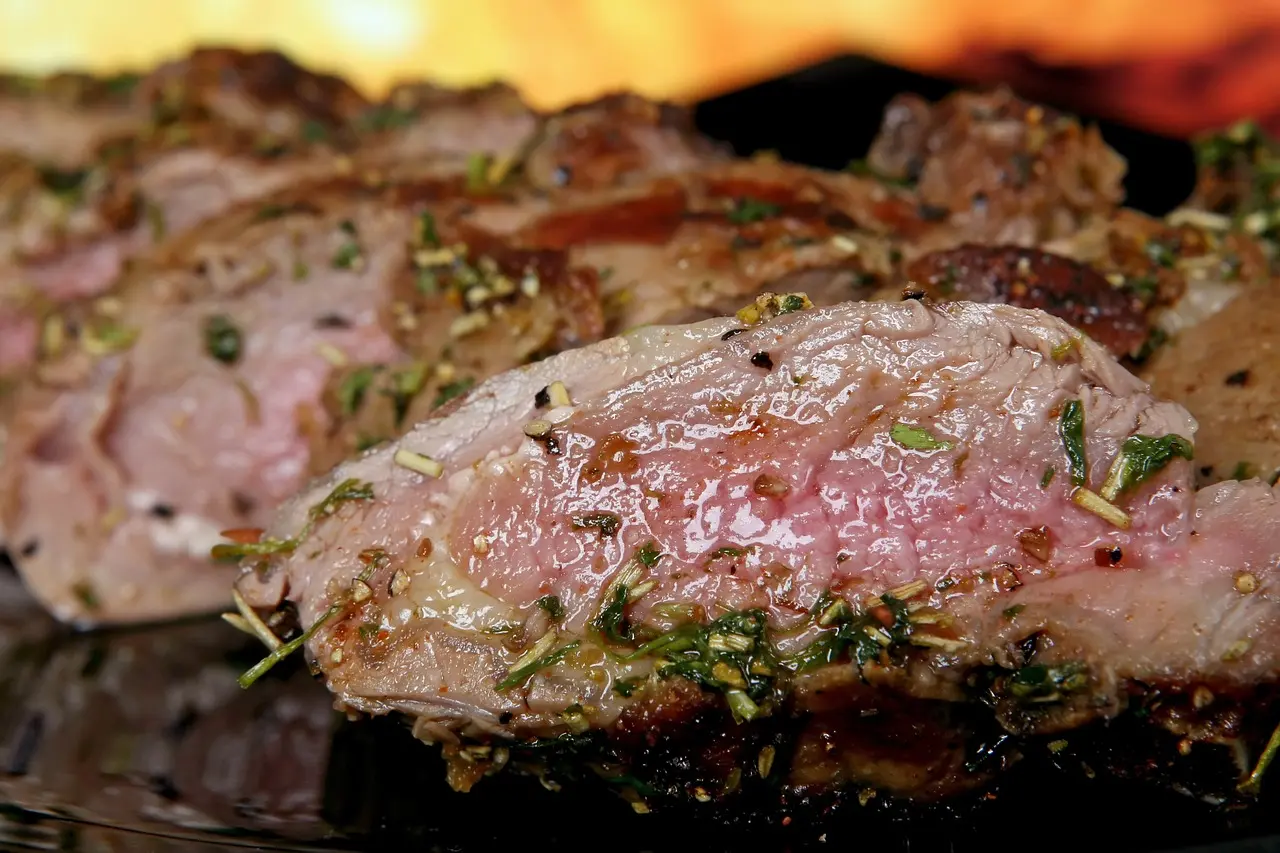
When it comes to preparing and cooking venison, there are steps you can take to reduce the gamey flavor and ensure a delicious and safe meal. One popular method is using a smoked venison brine, which not only enhances the flavor of the meat but also helps to tenderize it. In this article, we will explore the benefits of using a smoked venison brine and provide some useful tips for preparing and cooking venison.
Processing and Storage
Before delving into the details of a smoked venison brine, it's important to ensure that the venison you are working with is properly processed and stored. If you choose to take your deer to a processor, make sure they are experienced in handling wild game and that you receive the meat from your own deer. Trimming off excess fat and packaging the meat properly, either with a vacuum sealer or using plastic wrap and freezer paper, will help to preserve its quality and prevent freezer burn.
Marinating and Soaking
Marinating or soaking venison in a brine is a popular technique used to enhance its flavor and tenderness. There are several soaking liquids that can be used, such as buttermilk, saltwater, white milk, vinegar, lemon juice, and lime juice. While some hunters swear by certain soaking methods to remove the gamey flavor or bleed the meat after processing, others may not find it as effective.
If you decide to try soaking your venison, a buttermilk soak is a popular choice. The Backyard Pioneer provides instructions for this method. Alternatively, you can experiment with different marinades and spices to cover up the gamey flavors and tenderize the meat. Using a high-acid liquid like lemon juice, tomato juice, vinegar, or wine can help to soften the muscle fibers.
For those who prefer to avoid marinades and soaks, tenderizing the meat by pounding it with a tenderizing tool or making small cuts can also be effective. Whichever method you choose, be sure to trim away any remaining fat left behind by the processor before soaking or marinating, as wild game fat can quickly become rancid and contribute to a gamey taste.
Cooking Tips
When it comes to cooking venison, proper temperature and preparation are key. Venison should be cooked to at least 160°F to reduce the risk of foodborne illness. Whole cuts like steaks or roasts can be cooked to a minimum internal temperature of 145°F, while ground venison should be cooked to 160°F. Soups, stews, casseroles, or leftovers containing venison should be heated to 165°F.
Removing all fat from the venison before cooking is important to reduce undesirable flavors. However, adding other fats like salt pork, butter, margarine, beef suet, or bacon fat can enhance the taste and prevent the meat from drying out. Rubbing these fats onto the venison or inserting slivers of salt pork or bacon into the meat can add additional flavor.
When cooking venison, it's best to use a hot cooking surface to sear the meat and lock in its flavors and juices. Whether frying, broiling, or grilling, avoid flipping the steaks or chops more than once and avoid overcrowding the pan. Slow cooking methods, such as using a slow cooker, are ideal for tougher cuts of venison from the rump, round, or shoulder. Thaw the meat completely, cut it into medium or small pieces, and cook on high for one hour to maintain the proper temperature.
Using a smoked venison brine is a great way to enhance the flavor and tenderness of wild game. Whether you choose to soak the meat in buttermilk, saltwater, or other liquids, or experiment with different marinades and spices, the key is to properly process, store, and cook the venison to ensure a delicious and safe meal. By following these tips and techniques, you can enjoy the rich flavors of smoked venison brine and create mouthwatering dishes that will delight your taste buds.
If you want to know other articles similar to Enhancing wild game flavor: smoked venison brine you can visit the Cooking category.
Related Articles