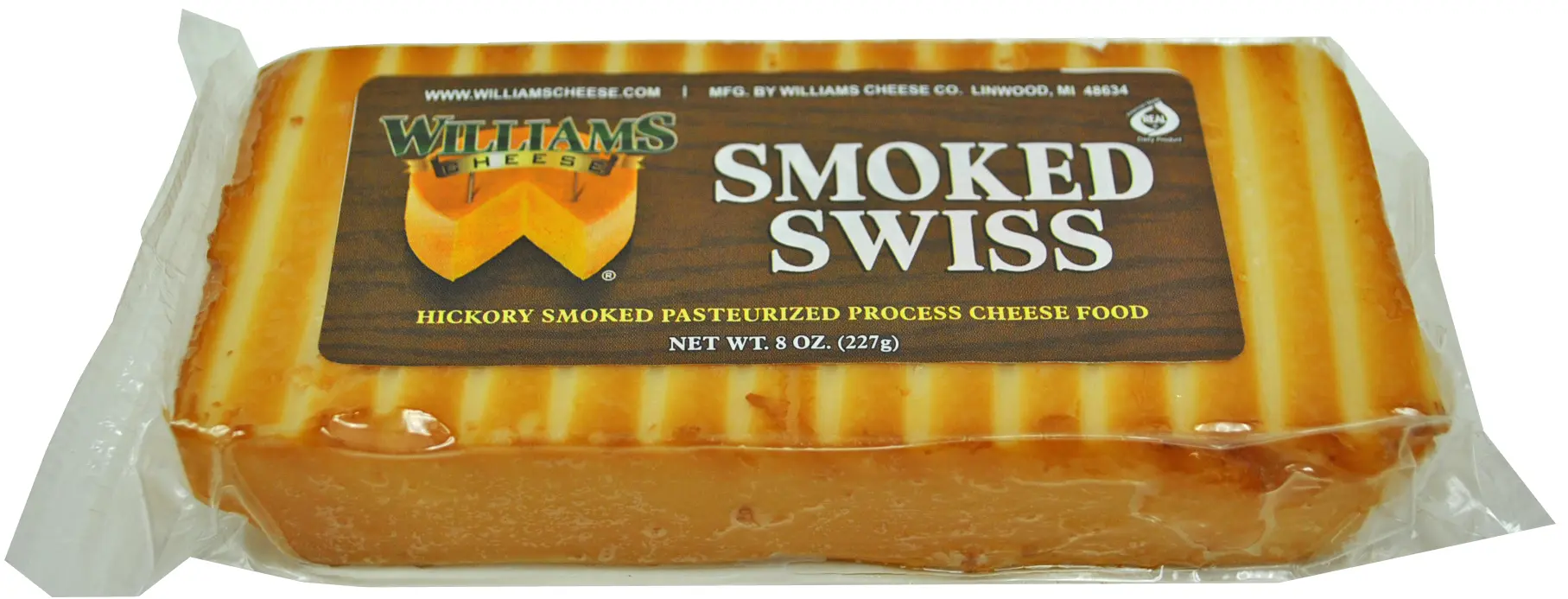
Smoked Swiss cheese is a delectable variation of the classic Swiss cheese. Known for its holey texture and buttery smoothness, smoked Swiss cheese is a must-try for cheese lovers. In this article, we will explore the origins of Swiss cheese, its taste profile, the cheesemaking process, and some delicious Wisconsin Swiss cheeses to try. So grab a glass of wine or beer, and let's dive into the world of smoked Swiss cheese!
The Story Behind Swiss Cheese
Swiss cheese originated in the lush valley of Emmental in Switzerland. This alpine-style cheese was traditionally made in large formats to preserve the milk from the summer months. When Swiss immigrants brought their cheesemaking techniques to Wisconsin in the late 1800s, the alpine-style cheese evolved into emmentaler, Swiss, and baby Swiss. Today, Wisconsin is known for its exceptional Swiss cheeses, thanks to the influence of Swiss cheesemakers.
All About Swiss Cheese
What does Swiss cheese taste like?
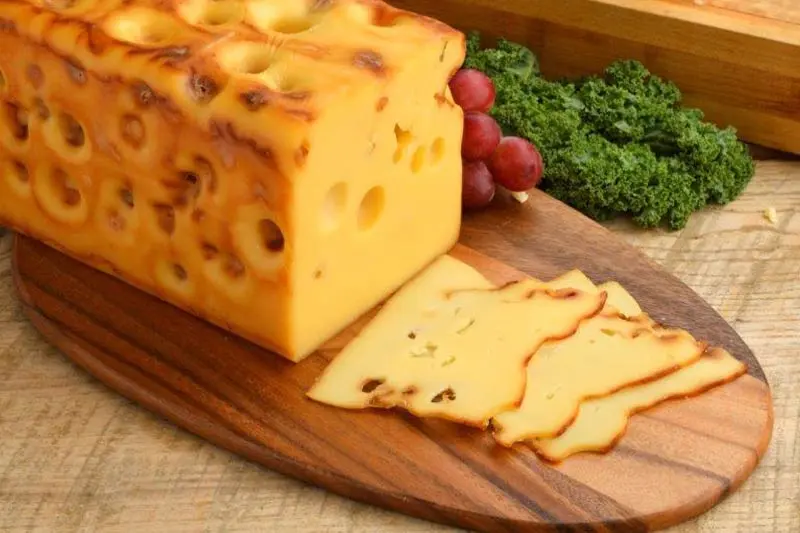
Swiss cheese has a sweet, mild, and nutty flavor, which is characteristic of alpine-style cheeses. It has a slightly yellow color and a nutty aroma. Swiss cheese has a lower acidity compared to other cheeses, resulting in a silky-smooth texture. It also has less salt, making it an excellent choice for pairing with pretzels or salted nuts.
How is Swiss cheese made?
The cheesemaking process for Swiss cheese begins with the addition of rennet to fresh Wisconsin milk, which creates solid curds and liquid whey. The curds are then soaked in a brine and heated. The brine mixture provides a favorable environment for bacteria to grow, releasing carbon dioxide. As the cheese absorbs salt, releases water, and traps the gas bubbles, the iconic holes are formed.
What's the difference between Swiss and baby Swiss?
While both Swiss and baby Swiss cheeses are delicious, there are some distinct differences between the two. Swiss cheese originated in Switzerland, while baby Swiss is an American creation. Baby Swiss is aged for about a month, resulting in a creamy, nutty flavor and a more consistent texture with smaller holes. Traditional Swiss cheese, on the other hand, is aged for two months to many years, developing a deeper, more complex flavor.
Why does Swiss cheese have holes?
The iconic holes in Swiss cheese are a result of the cheesemaking process. Specific bacterial cultures are added, which release carbon dioxide during the aging process, creating pockets of air called eyes. The size and distribution of the holes can vary depending on the cheesemaker's techniques.
Must-Try Wisconsin Swiss Cheeses
If you're eager to sample some delicious Wisconsin Swiss cheeses, here are a few recommendations:
- Hook's Cheese Company One Year Swiss: Made by Julie and Tony Hook, this classic Wisconsin-style Swiss cheese has a mild, buttery flavor and a smooth texture.
- Deppeler's Baby Swiss Cheese: A worldwide award winner from Chalet Cheese Cooperative, this baby Swiss cheese is made with whole milk, resulting in a super creamy and buttery flavor. It melts beautifully, making it perfect for sandwiches or melted on potatoes.
- Edelweiss Creamery Emmentaler: Crafted by Master Cheesemaker Bruce Workman, this Emmentaler cheese combines Old World heritage with Wisconsin's unique milk. It is produced in the form of a 180-pound wheel of cheese and offers a truly authentic taste.
- Carr Valley Aged Swiss: Aged for two years, this Swiss cheese from Carr Valley develops a robust and nutty flavor. It's perfect for snacking or adding to sandwiches.
Pairing Swiss Cheese
What beer goes well with Swiss cheese?
A rich and malty beer, such as a doppelbock or amber ale, pairs well with the sweet, nutty, and creamy Swiss cheese. If you're planning an Oktoberfest-themed cheese night, Swiss cheese and beer make a great combination.

What wine pairs best with Swiss cheese?
Crisp, dry white wines like gewürztraminer or riesling complement the flavors of Swiss cheese. Their refreshing flavors provide a perfect balance to the nuttiness of the cheese.
What spirits should I have with Swiss cheese?
For those who prefer something stronger, grappa or fruit brandies pair well with Swiss cheese. These sweeter spirits help balance the nutty flavors of the cheese.
What accompaniments should I serve with Swiss cheese?
Since Swiss cheese has a lower salt content, it pairs well with salty sides. Cured meats like saucisson sec or prosciutto are great choices. Pretzels or sesame sticks add a delightful crunch to your cheese board.
Get Your Hands on Wisconsin Swiss Cheese
If reading about Swiss cheese has made your mouth water, you can easily order Wisconsin's finest cheeses online. Check out our continuously updated list of cheesemakers and retailers that offer online cheese ordering. Award-winning Wisconsin Cheese is just a click away!
For more inspiration, browse through our collection of over 400 recipes featuring Wisconsin cheese. Don't forget to share your cheesy creations with us on Facebook and Instagram. Happy cheese tasting!
If you want to know other articles similar to Exploring the deliciousness of smoked swiss cheese you can visit the Cheese category.
Related Articles