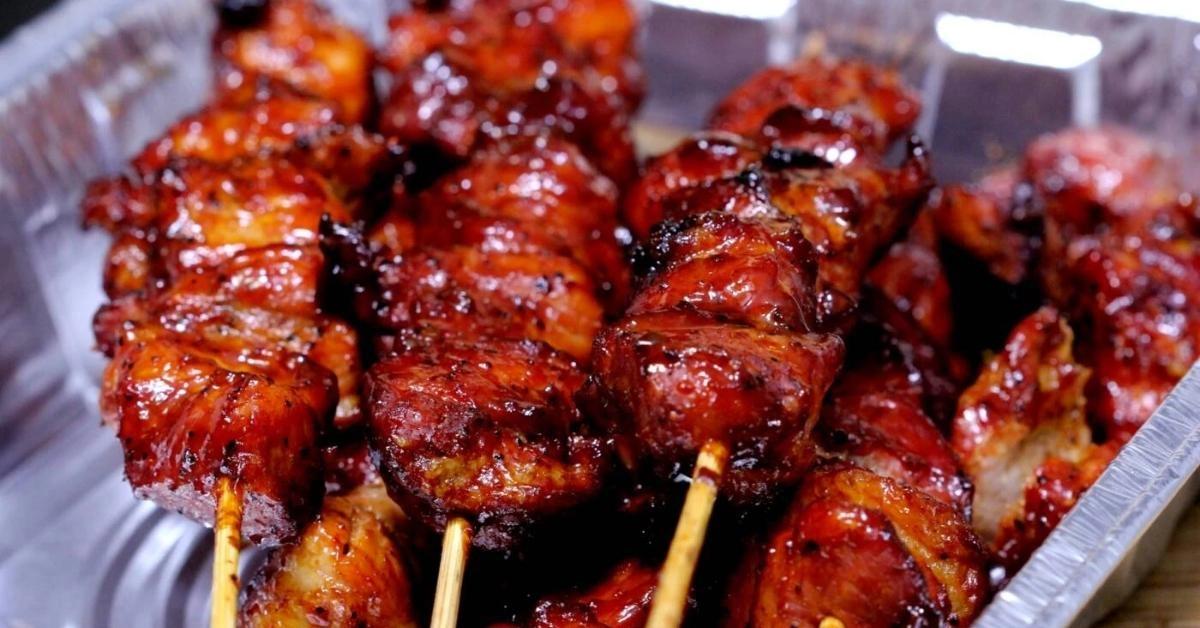
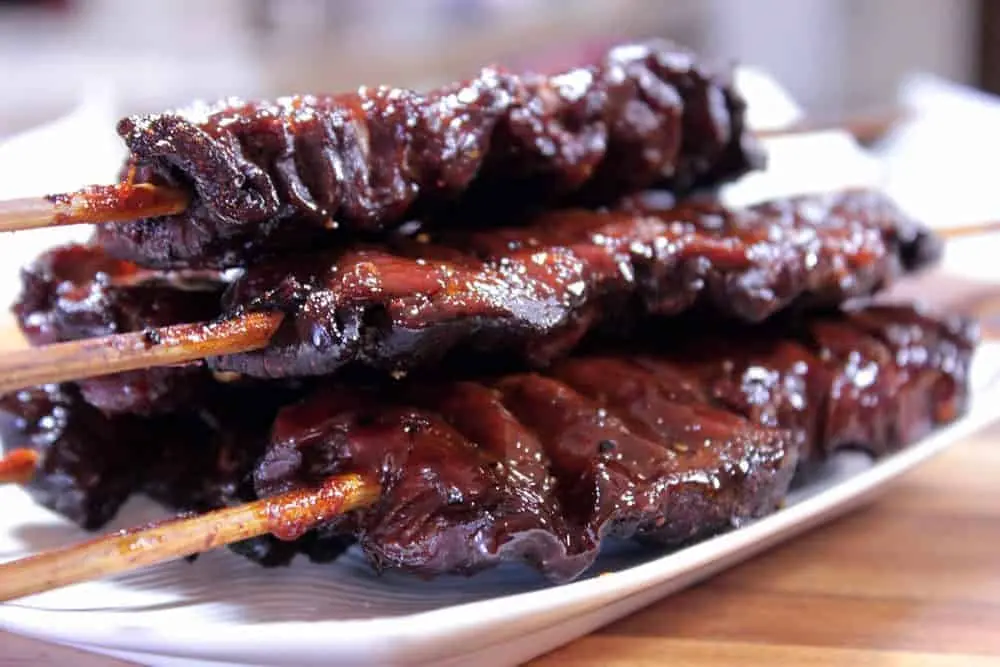
Smoked pork skewers are a popular and mouthwatering dish that combines the smoky flavors of barbecue with tender and juicy pieces of pork. This dish is perfect for grilling enthusiasts and meat lovers alike. In this article, we will explore the best cut of pork for skewers, how to know when they are cooked to perfection, and how to cut pork tenderloin for kabobs.
What cut of pork is best for skewers?
When it comes to making smoked pork skewers, choosing the right cut of pork is crucial for achieving a delicious and flavorful dish. One of the best cuts of pork for skewers is pork shoulder, also known as pork butt. This cut is marbled with fat, which helps keep the meat tender and juicy during the smoking process.
Another great option for skewers is pork tenderloin. This cut is leaner than pork shoulder but still offers a tender and succulent texture. It is important to marinate the pork tenderloin before grilling to add flavor and prevent it from drying out.
Tip: For the best results, choose fresh and high-quality pork from a trusted butcher or grocery store.
How do you know when pork skewers are cooked?
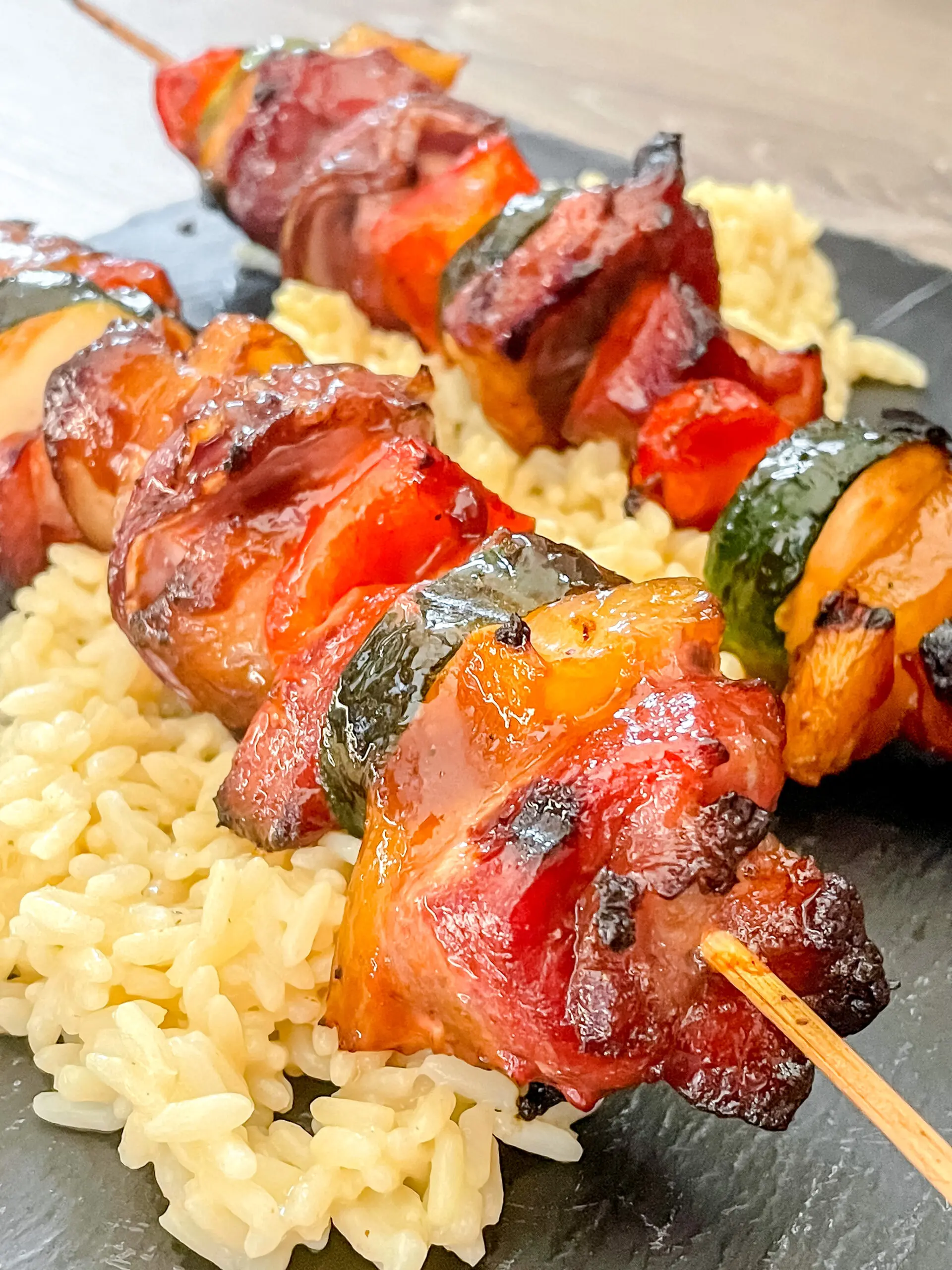
Properly cooking pork skewers is essential to ensure they are safe to eat and have the perfect texture. The internal temperature of cooked pork should reach 145°F (63°C). To measure the temperature, use a meat thermometer inserted into the thickest part of the meat.
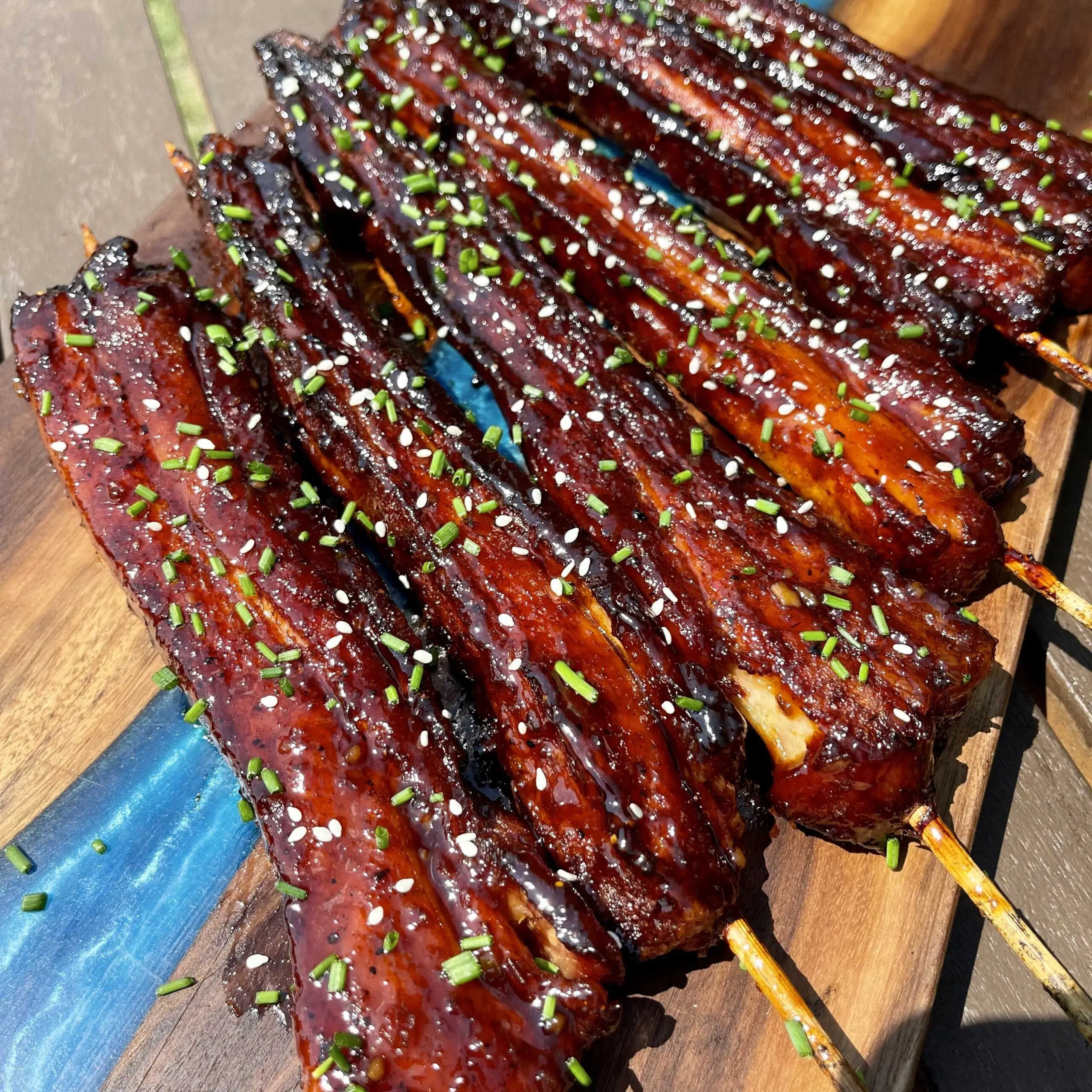
Additionally, the pork should no longer be pink in the center and the juices should run clear. It is important to keep an eye on the color and texture of the pork while grilling to avoid overcooking, which can result in dry and tough meat.
Tip: Let the skewers rest for a few minutes after removing them from the grill to allow the juices to redistribute and the meat to become even more tender.
How do you cut pork tenderloin for kabobs?
Cutting pork tenderloin into cubes for kabobs is a simple process that can be done in a few easy steps:
- Start by removing any excess fat or silver skin from the pork tenderloin using a sharp knife.
- Cut the tenderloin into evenly-sized cubes, approximately 1 to 1 1/2 inches in thickness.
- Thread the pork cubes onto skewers, leaving a small space between each piece to ensure even cooking.
Tip: Soak wooden skewers in water for about 30 minutes before threading the pork to prevent them from burning during grilling.
Q: Can I use other types of meat for skewers?
A: Absolutely! While pork is a popular choice, you can also use other types of meat such as chicken, beef, or even shrimp for skewers. The cooking times and techniques may vary, so make sure to adjust accordingly.
Q: How long does it take to smoke pork skewers?
A: The cooking time for smoked pork skewers depends on various factors, including the size of the meat cubes, the temperature of the grill, and the desired level of doneness. On average, it takes about 1 to 1 1/2 hours to smoke pork skewers at a temperature of around 225°F (107°C).
Q: Can I use a gas grill instead of a smoker?
A: Absolutely! While a smoker can provide a more intense smoky flavor, a gas grill can also be used to cook delicious pork skewers. Simply set up your gas grill for indirect grilling and add wood chips or chunks to create smoke.
In Conclusion
Smoked pork skewers are a delightful dish that combines the smoky flavors of barbecue with tender and juicy pork. By choosing the right cut of pork, ensuring it is cooked to perfection, and cutting it into cubes for kabobs, you can create a mouthwatering meal that is sure to impress your family and friends.
If you want to know other articles similar to Delicious smoked pork skewers: a bbq delight you can visit the Barbecue category.
Related Articles