
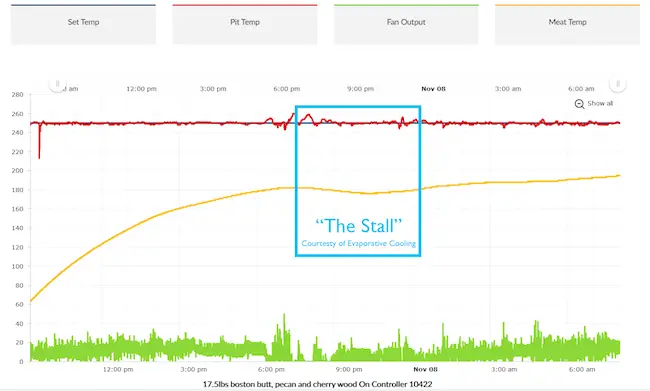
Smoking a pork shoulder is a labor of love that requires time, patience, and an understanding of the cooking process. One common phenomenon that many smokers encounter is the stall temp or the point at which the pork shoulder seems to stop cooking and remains at a constant temperature for an extended period. In this article, we will explore why the pork shoulder stalls at a certain temperature, how long it typically lasts, and what you can do to overcome it.
The Pork Shoulder Stall: Understanding the Phenomenon
The pork shoulder stall, also known as the plateau, is a natural occurrence during the smoking process. It typically happens when the internal temperature of the pork shoulder reaches around 160 degrees Fahrenheit (anywhere from 155-170 degrees). At this point, the meat seems to stop cooking and remains at that temperature for several hours, even though the smoker's temperature remains constant.
So, why does this happen? The stall occurs because of the breakdown of fat, collagen, and connective tissues within the pork shoulder. As the temperature rises, these tough fibers start to break down, resulting in tender and juicy barbecue. While it may seem frustrating to wait for hours without seeing any progress, it is an essential part of the cooking process that ultimately contributes to the deliciousness of the final product.
How Long Does the Stall Temp Last?
The duration of the pork shoulder stall can vary depending on various factors, including the size of the shoulder and the cooking temperature. On average, you can expect the stall to last between four to six hours at a smoking temperature of around 225 degrees Fahrenheit.
It's important to note that the stall is not an exact science, and the timing can differ from one cook to another. Factors such as humidity, wind, and the specific characteristics of the pork shoulder itself can all influence the duration of the stall. Therefore, it's crucial to be patient and allow the meat to reach its desired internal temperature naturally.
Overcoming the Stall Temp
If you find yourself in a time crunch or have guests arriving soon, there are a couple of techniques you can use to overcome the pork shoulder stall and expedite the cooking process.
Increase the Cooking Temperature: One option is to increase the smoker's temperature to around 275-300 degrees Fahrenheit. The higher heat will help the pork shoulder break through the stall more quickly, allowing it to continue cooking towards its final temperature.
Wrap the Pork Shoulder: Another method is to wrap the pork shoulder in foil once it reaches the stall temperature. Wrapping the meat helps to trap the heat and moisture, creating a more controlled cooking environment. This technique, often referred to as the texas crutch, can help speed up the cooking process and reduce the duration of the stall.
It's important to note that wrapping the pork shoulder will result in a softer bark, as the foil prevents the meat from developing a crispy exterior. If you prefer a firm and crunchy bark, it's best to avoid using this method.

Frequently Asked Questions
Is the pork shoulder stall necessary?
Yes, the stall is a natural part of the cooking process and contributes to the tenderness and flavor of the pork shoulder. While it may require some extra time, it is well worth the wait.
Can I skip the pork shoulder stall?
Skipping the stall is not recommended, as it may result in a less tender and flavorful final product. Embrace the stall as an opportunity to let the magic happen.
How do I know when the pork shoulder is done?
The pork shoulder is typically considered done when it reaches an internal temperature of 190-195 degrees Fahrenheit. At this point, the meat should be tender and easy to pull apart.
In conclusion, the pork shoulder stall temp is a natural occurrence during the smoking process. It happens when the internal temperature of the pork shoulder reaches around 160 degrees Fahrenheit and lasts for several hours. While it may seem like a frustrating delay, it is an essential step in breaking down tough fibers and creating tender and flavorful barbecue. By understanding the stall temp and employing techniques like increasing the cooking temperature or wrapping the pork shoulder, you can successfully navigate this phase of the cooking process and achieve mouthwatering results. So, next time you embark on the journey of smoking a pork shoulder, embrace the stall and enjoy the delicious rewards that await you.
If you want to know other articles similar to Smoked pork shoulder stall temp: overcoming the plateau you can visit the Smoking category.
Related Articles