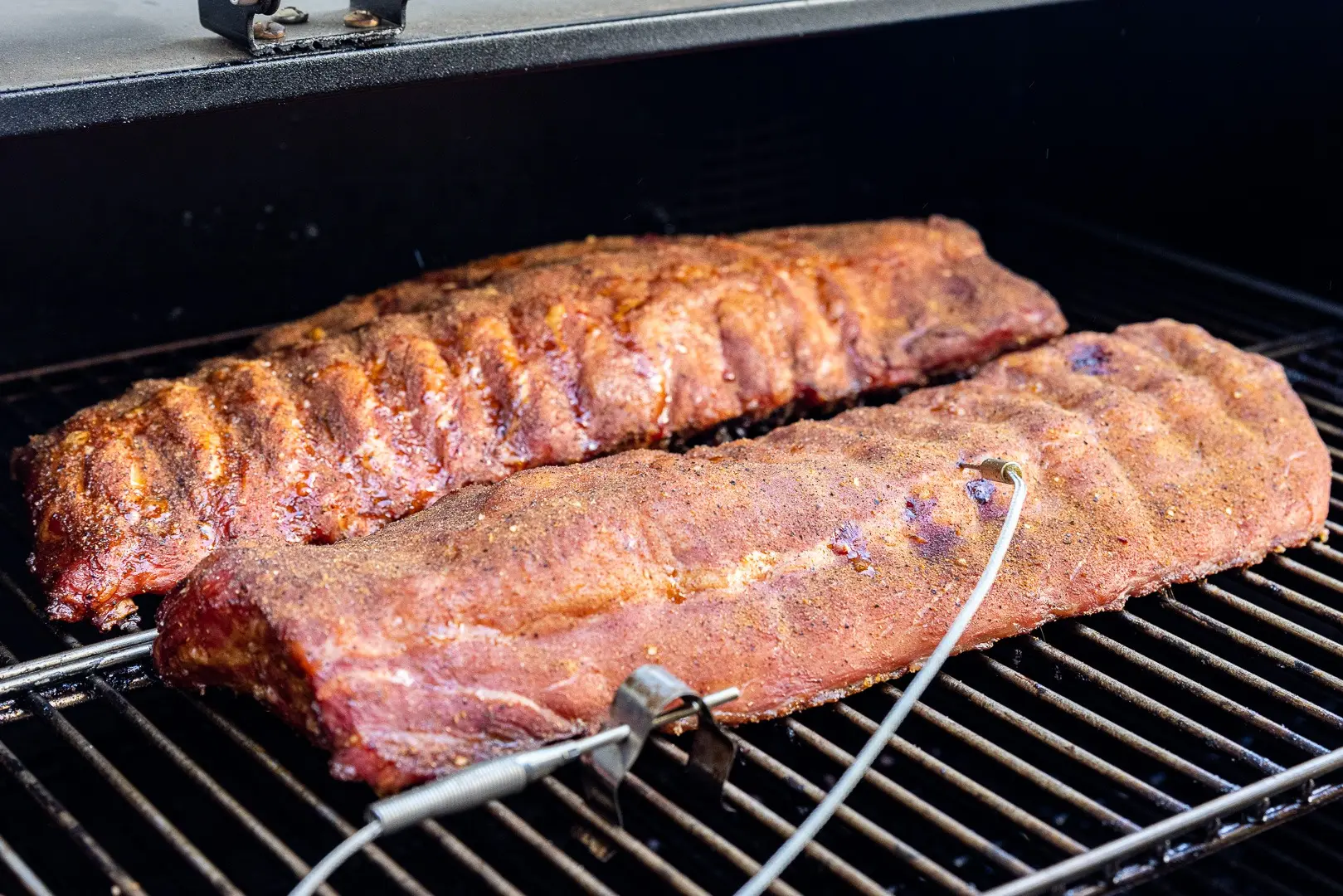
Smoked pork ribs are a delicious and popular dish that many people enjoy. The key to achieving perfectly cooked ribs lies in understanding the internal temperature that they should reach. In this article, we will explore the ideal temperature for smoked pork ribs and provide you with some tips to ensure your ribs turn out tender and flavorful every time.
Understanding the Internal Temperature
When it comes to smoking pork ribs, it is crucial to cook them to the right internal temperature to ensure they are safe to eat and have the desired texture. The ideal internal temperature for smoked pork ribs is around 195-203°F (90-95°C). This temperature range allows the collagen in the meat to break down, resulting in tender and juicy ribs.
It's important to note that different cuts of pork ribs may require slightly different cooking times and temperatures. St. Louis-style spare ribs, baby back ribs, and country-style ribs all have their unique characteristics and may require adjustments to achieve the perfect doneness.
Tips for Achieving Perfectly Cooked Ribs
Use a reliable meat thermometer: To ensure accuracy, invest in a good quality meat thermometer. This will help you monitor the internal temperature of the ribs throughout the cooking process.
Preheat your smoker: Before placing the ribs in the smoker, preheat it to the desired temperature. This will ensure even cooking and help maintain a consistent temperature throughout the cooking time.
Season and marinate: Before smoking the ribs, season them generously with your preferred dry rub or marinade. This will add flavor and enhance the overall taste of the ribs.
Maintain a consistent temperature: Throughout the smoking process, it's crucial to maintain a consistent temperature. Fluctuations in temperature can result in unevenly cooked ribs. Use a reliable smoker and monitor the temperature regularly.
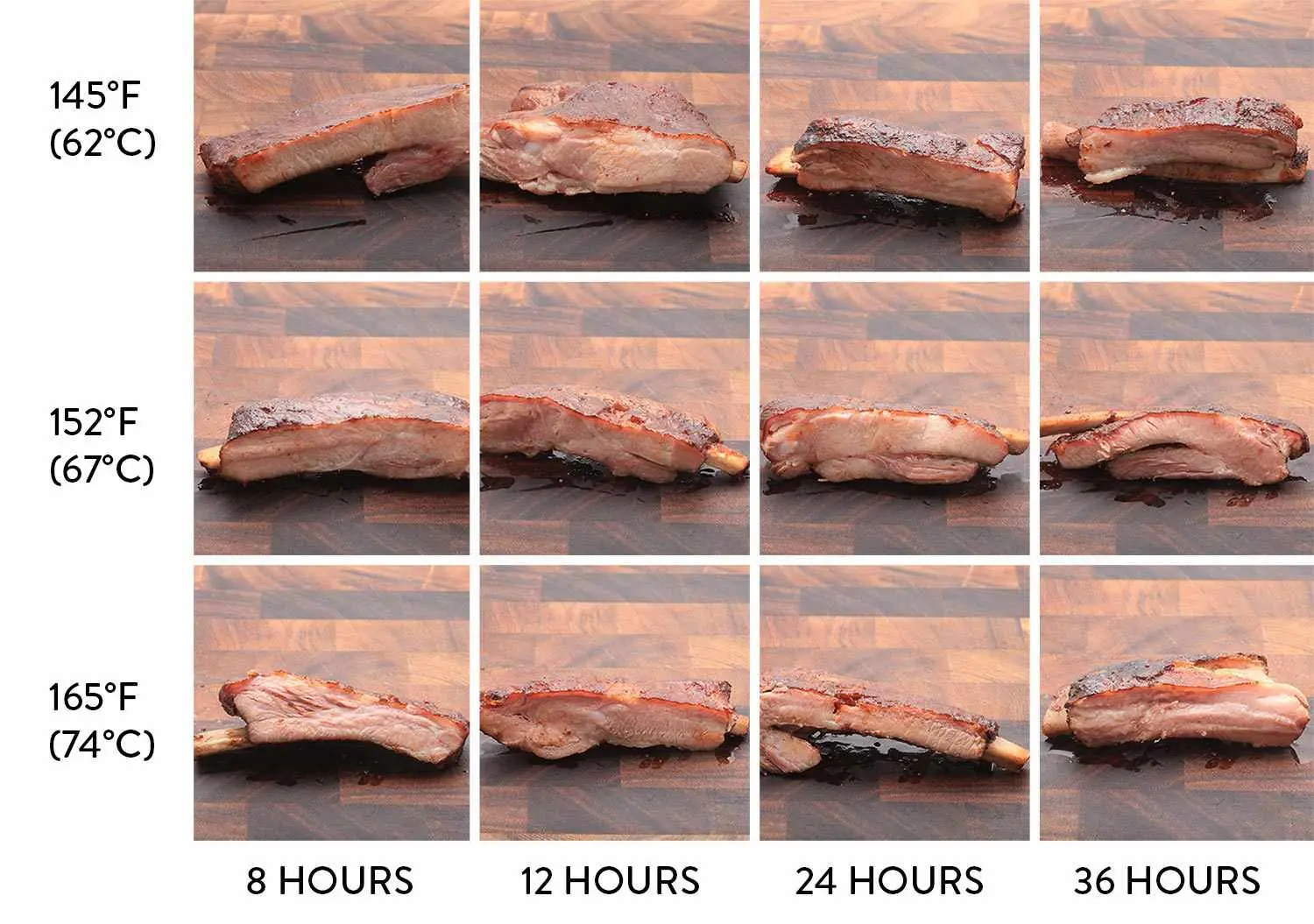
Wrap the ribs: After a few hours of smoking, you can choose to wrap the ribs in foil or butcher paper. This technique, known as the texas crutch, helps retain moisture and speeds up the cooking process.
Rest before serving: Once the ribs reach the desired internal temperature, remove them from the smoker and let them rest for about 10-15 minutes. This allows the juices to redistribute within the meat, resulting in a more flavorful and tender bite.
Q: How long does it take to smoke pork ribs?
A: The cooking time for smoked pork ribs can vary depending on the cut and thickness of the ribs. On average, it takes about 4-6 hours to smoke pork ribs at a temperature of 225-250°F (107-121°C).
Q: Can I eat smoked pork ribs that are slightly undercooked?
A: It is not recommended to eat undercooked pork ribs as they may contain harmful bacteria. It's important to ensure that the ribs reach the proper internal temperature to ensure food safety.
Q: Can I smoke pork ribs without a smoker?
A: While a smoker is the traditional method for smoking pork ribs, you can also use a charcoal grill with indirect heat or an oven with a smoke box or packet to achieve a similar result.
In Conclusion
Achieving perfectly cooked smoked pork ribs is a combination of understanding the ideal internal temperature and following some essential tips. By cooking the ribs to an internal temperature of 195-203°F (90-95°C), using a reliable thermometer, and maintaining a consistent temperature throughout the smoking process, you can enjoy tender and flavorful ribs every time. Experiment with different cuts and seasonings to find your perfect rib recipe, and don't forget to let them rest before serving for the best results. Happy smoking!
If you want to know other articles similar to Perfectly cooked smoked pork ribs: achieving ideal temperature you can visit the Cooking category.
Related Articles