
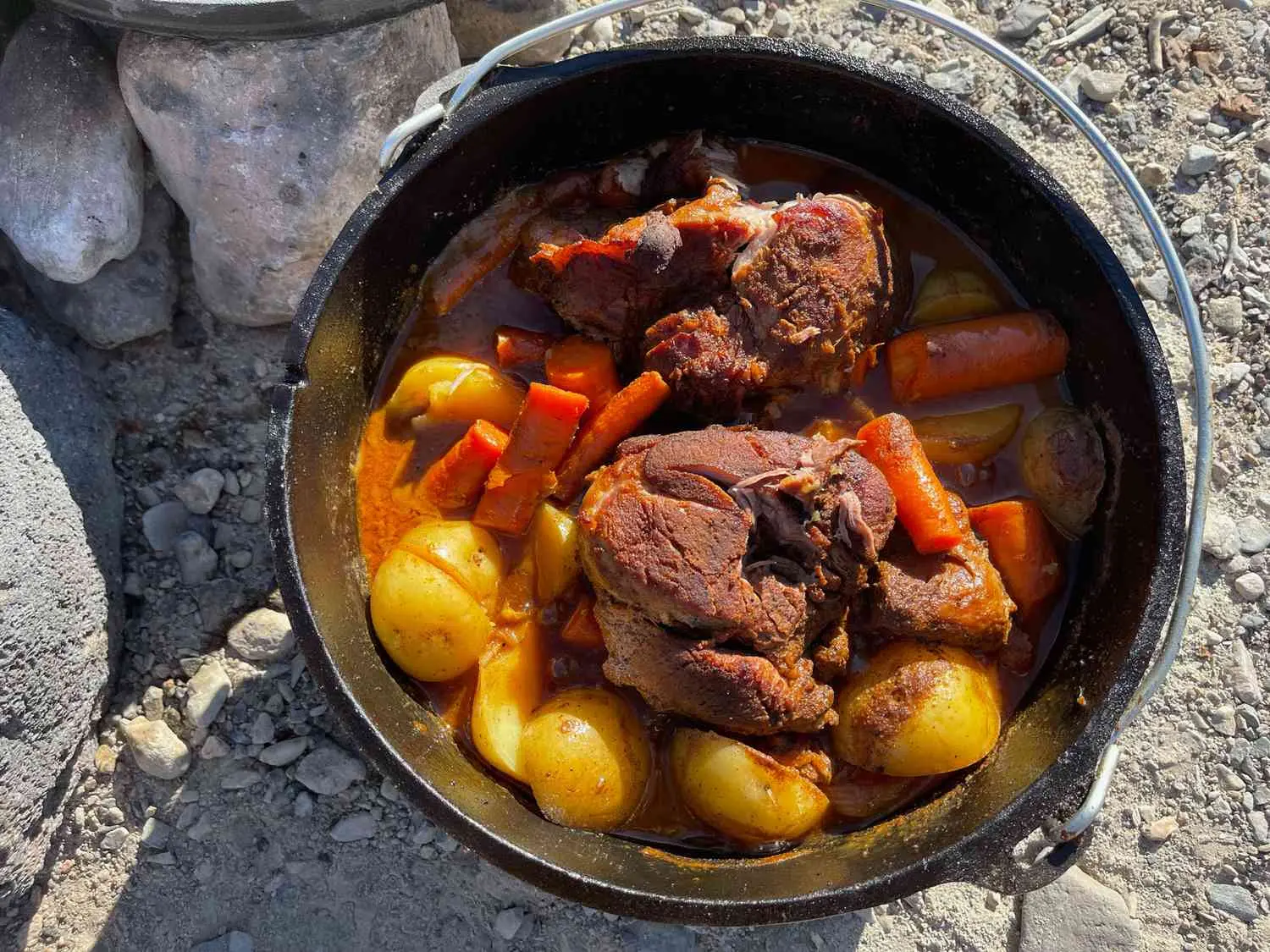
When it comes to barbecuing, one of the key factors that can make or break your dish is the seasoning. A well-crafted rub can elevate the flavor of your smoked pork butt to new heights. In this article, we will explore the art of creating a delicious pork butt rub and how it can enhance your barbecue experience.
What is Pork Rub Made Of?
A pork rub is a blend of herbs, spices, and seasonings that are used to enhance the flavor of the meat. While there are numerous variations of pork rub recipes, the common ingredients include:
- Smoked paprika
- Brown sugar
- Kosher salt
- Black pepper
- Garlic powder
- Onion powder
- Cayenne pepper
- Dried thyme
- Dried oregano
The combination of these ingredients creates a balance of flavors that complement the natural richness of the pork. The smoked paprika adds a smoky depth, while the brown sugar adds a touch of sweetness. The salt and pepper enhance the overall taste, and the garlic and onion powder provide a savory undertone. The cayenne pepper adds a hint of heat, and the dried thyme and oregano bring an earthy aroma to the rub.
It is important to note that the measurements of these ingredients can vary depending on personal preference. Some may prefer a sweeter rub, while others may prefer a spicier one. The key is to experiment and find the perfect balance that suits your taste.
How to Apply a Pork Butt Rub
Before applying the rub, it is crucial to prepare the pork butt properly. Start by trimming any excess fat from the meat, as this can prevent the rub from adhering properly. Once the meat is trimmed, generously coat it with the rub, making sure to cover all sides. Use your hands to massage the rub into the meat, ensuring that it is evenly distributed.
After applying the rub, let the pork butt sit at room temperature for about 30 minutes. This allows the flavors of the rub to penetrate the meat, resulting in a more flavorful barbecue. If you prefer, you can also let the pork butt marinate in the rub overnight in the refrigerator. This will intensify the flavors even further.
The Importance of Smoking
Once the pork butt is properly seasoned, it is time to smoke it. Smoking is a slow cooking process that infuses the meat with a smoky flavor, resulting in tender and juicy pork. It is recommended to use a smoker or a charcoal grill with a smoking attachment for the best results.
When smoking the pork butt, maintain a consistent temperature of around 225°F to 250°F. This low and slow cooking method allows the meat to cook slowly and evenly, resulting in a tender and flavorful barbecue. The smoking process can take several hours, depending on the size of the pork butt. It is important to monitor the temperature and adjust the heat as needed.
Q: Can I substitute smoked paprika with regular paprika?
A: While regular paprika can be used as a substitute, it will not provide the same smoky flavor that smoked paprika offers. If you prefer a milder taste, regular paprika can be used, but the overall flavor profile may be slightly different.
Q: How long should I let the pork butt rest after smoking?
A: After smoking, it is recommended to let the pork butt rest for at least 20 minutes before slicing. This allows the juices to redistribute within the meat, resulting in a more tender and succulent barbecue.
Q: Can I use the pork rub for other cuts of meat?
A: Absolutely! While the pork rub is specifically designed for pork butt, it can be used on other cuts of meat as well. It works well with ribs, pork shoulder, and even chicken. Feel free to experiment and see what works best for you.
A well-crafted pork butt rub is the secret to a mouthwatering barbecue experience. The combination of herbs, spices, and seasonings in the rub enhances the natural flavors of the pork, resulting in a tender and flavorful dish. By properly applying the rub and smoking the pork butt, you can create a barbecue masterpiece that will leave your guests craving for more.
If you want to know other articles similar to Enhance your barbecue with a smoked pork butt rub you can visit the Barbecue category.
Related Articles