
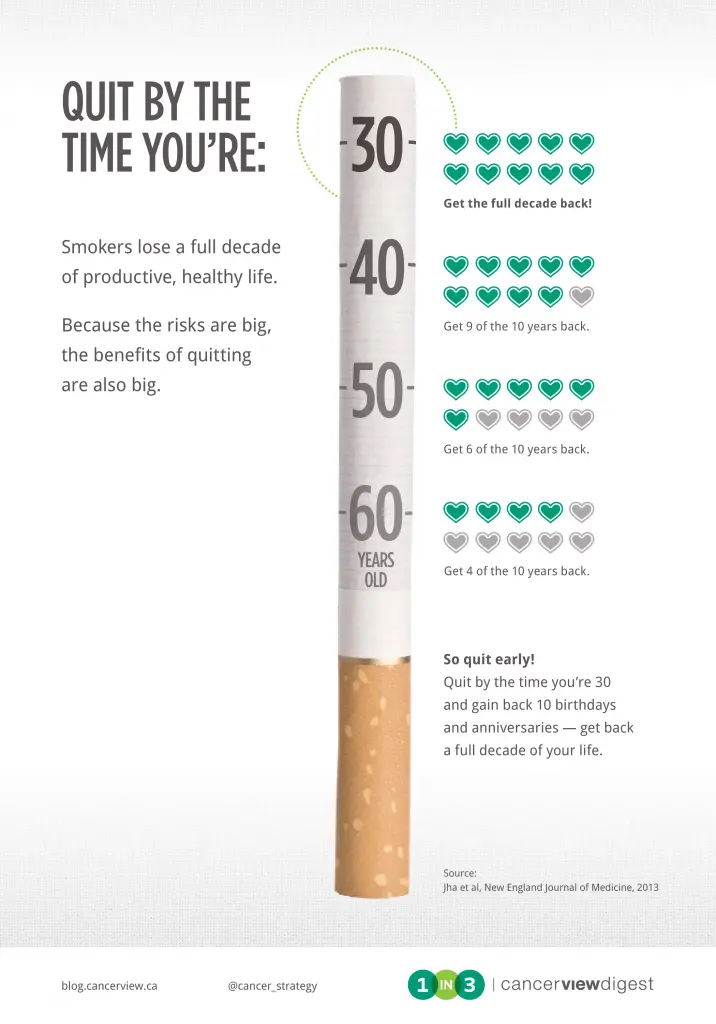
Quitting smoking is a challenging task, regardless of how long you've been a smoker. However, the benefits of quitting are immense, even for those who have smoked for 30 years or more. In this article, we will explore the reasons why it is worth it to quit smoking after 30 years and how it can improve your health and overall well-being.
- Why Quitting Smoking is Important
- Health Risks Associated with Smoking
- The Role of Nicotine
- Alternatives to Cigarettes
- The Dangers of Secondhand Smoke
- E-cigarettes and Vaping
- The Benefits of Quitting at Any Age
-
- Is it worth quitting smoking after 30 years?
- What are the health risks associated with smoking?
- Can nicotine replacement therapy help with quitting smoking?
- Are cigars, pipes, and smokeless tobacco safer alternatives to cigarettes?
- Is secondhand smoke dangerous?
- Are e-cigarettes a safer alternative to traditional cigarettes?
- What are the benefits of quitting smoking at any age?
- References
Why Quitting Smoking is Important
Regardless of your age or how long you've been smoking, quitting smoking at any time can have significant health benefits. Not only will you add years to your life, but you will also experience improved breathing, increased energy levels, and save money. Some other benefits of quitting smoking include:
- Lower risk of cancer, heart attack, stroke, and lung disease: Smoking is a leading cause of various diseases, including cancer, heart disease, stroke, and lung disease. Quitting smoking can significantly reduce your risk of developing these conditions.
- Better blood circulation: Smoking damages your blood vessels and impairs blood flow. When you quit smoking, your blood circulation improves, leading to better overall health.
- Improved sense of taste and smell: Smoking can dull your senses of taste and smell. By quitting, you will regain your ability to fully enjoy the flavors and aromas of food and beverages.
- No longer smelling like smoke: Smoking leaves a distinct odor on your clothes, hair, and breath. When you quit smoking, you will no longer have this unpleasant smell.
- Setting a healthy example: Quitting smoking sets a positive example for your children and grandchildren. By quitting, you show them the importance of taking care of their health and making positive lifestyle choices.
Health Risks Associated with Smoking
Smoking is a dangerous habit that can have severe consequences for your health. It is responsible for one in every five deaths in the United States each year. Here are some of the health risks associated with smoking:
- Lung disease: Smoking damages your lungs and airways, leading to conditions such as chronic bronchitis and emphysema. These conditions can make it difficult for you to breathe and significantly impact your quality of life.
- Heart disease: Smoking increases your risk of heart attack and stroke by damaging your blood vessels and contributing to the buildup of plaque.
- Cancer: Smoking is a leading cause of various types of cancer, including lung, mouth, larynx, esophagus, stomach, liver, pancreas, kidney, bladder, and cervix cancer.
- Respiratory problems: Smokers are more susceptible to respiratory infections such as the flu and pneumonia, as well as other conditions that affect their breathing.
- Osteoporosis: Smoking increases the risk of developing weak bones, known as osteoporosis, which can lead to fractures and other complications.
- Eye diseases: Smoking increases the risk of eye diseases such as cataracts and age-related macular degeneration, which can lead to vision loss and blindness.
- Diabetes: Smokers are more likely to develop type 2 diabetes and have difficulty managing the condition if they already have it. Diabetes can lead to serious complications such as blindness, heart disease, and kidney failure.
- Other effects: Smoking can also affect other aspects of your health, such as making wounds heal slower, increasing the risk of erectile dysfunction in men, and causing skin to become dull and wrinkled.
The Role of Nicotine
Nicotine is the addictive drug found in tobacco. It is what makes cigarettes so addictive and difficult to quit. When you quit smoking, you may experience withdrawal symptoms such as cravings, irritability, hunger, tiredness, headaches, depression, and sleep problems. These symptoms will fade over time as your body adjusts to being nicotine-free.
Help with Quitting
Quitting smoking is a journey that requires support and planning. Here are some tips to help you quit successfully:
- Make a firm decision: Start by making a firm decision to quit smoking and choose a specific date to quit.
- Develop a plan: Identify the situations that trigger your urge to smoke and come up with strategies to cope with cravings. Experiment with different approaches to find what works best for you.
- Consider nicotine replacement therapy: Nicotine replacement products, such as gum, patches, or lozenges, can help ease withdrawal symptoms and make it easier to quit smoking. Consult with your healthcare provider to determine if these products are suitable for you.
- Explore prescription medications: There are prescription medications available that can aid in smoking cessation. Talk to your doctor about which medications may be beneficial for you.
Alternatives to Cigarettes
Some people may think that cigars, pipes, chewing tobacco, snuff, or hookahs are safer alternatives to cigarettes. However, this is not the case. Smokeless tobacco products, such as chewing tobacco and snuff, can cause oral and pancreatic cancer, as well as other oral health issues. Pipe and cigar smokers are also at risk of developing various types of cancer, including mouth, lip, larynx, esophagus, and bladder cancer. Using a hookah to smoke tobacco poses similar health risks to cigarette smoking.
The Dangers of Secondhand Smoke
Secondhand smoke, which is created by cigarettes, cigars, and pipes, can be harmful to those who are exposed to it. It can cause serious health problems for family members, friends, and even pets. Secondhand smoke is particularly dangerous for individuals who already have lung or heart disease. It can increase the risk of heart disease, lung cancer, and respiratory issues in adults, as well as increase the risk of sudden infant death syndrome (SIDS) in babies. Children who are exposed to secondhand smoke are more likely to develop lung problems, ear infections, and severe asthma.
E-cigarettes and Vaping
E-cigarettes, also known as electronic cigarettes, deliver nicotine, flavor, and other chemicals through inhalation. While some people believe that e-cigarettes are a safer alternative to traditional cigarettes, they are not without risks. E-cigarettes may contain harmful substances such as lead and cancer-causing chemicals, in addition to nicotine. Some flavorings used in e-cigarettes have also been linked to lung disease. The long-term effects of e-cigarette use are still being studied, and there is limited evidence to support their effectiveness as a quit-smoking aid.
The Benefits of Quitting at Any Age
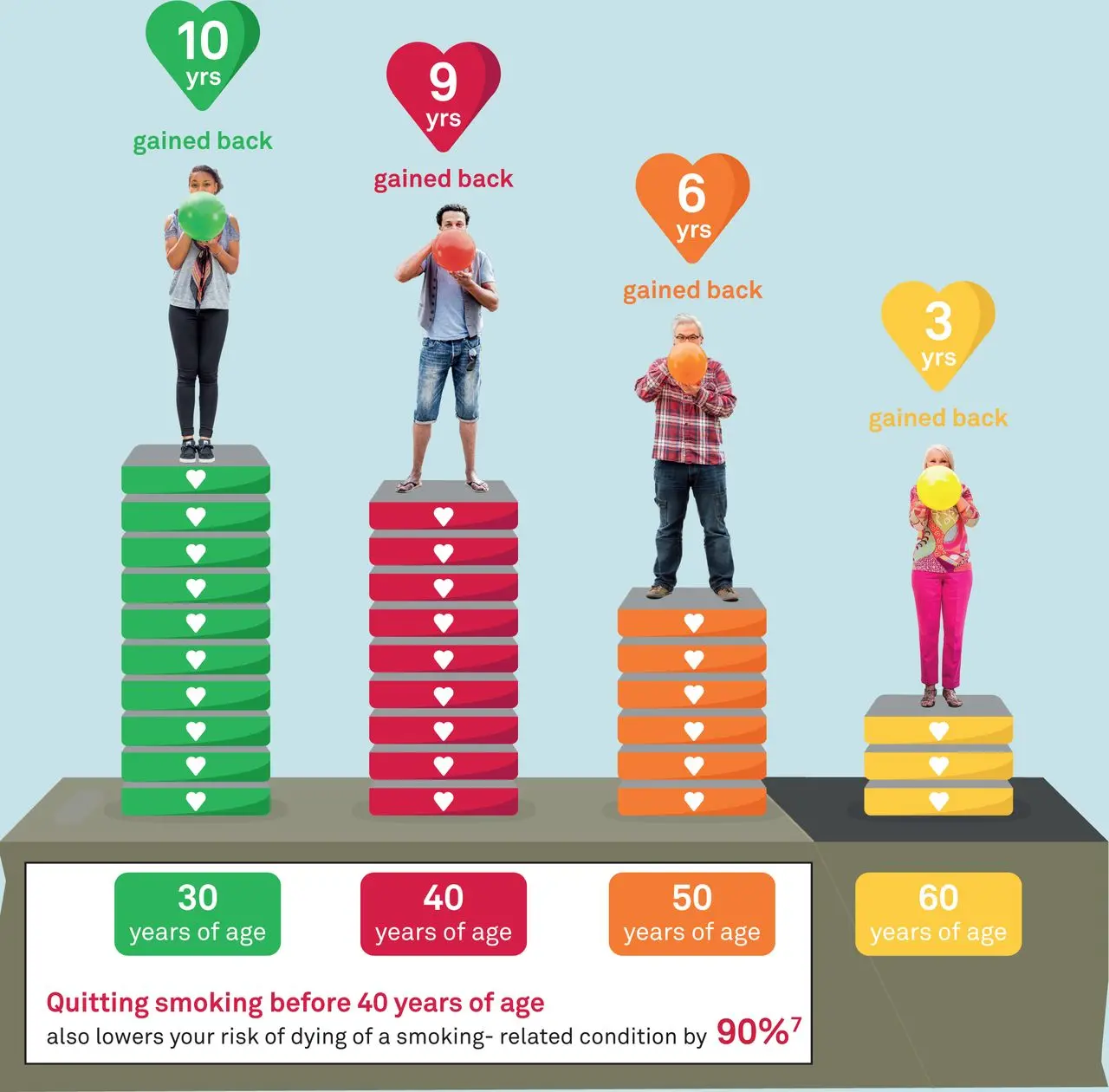
Regardless of your age, quitting smoking can have numerous benefits for your health and well-being. Even if you have been smoking for 30 years or more, it is never too late to quit. After quitting smoking, your heart rate and blood pressure will decrease, your sense of smell and taste will improve, and your lungs, heart, and circulatory system will function better. You will experience fewer coughing episodes and breathlessness, reduce your risk of heart attack, stroke, and cancer, and overall improve your breathing. Quitting smoking is a worthwhile endeavor at any age.
Quitting smoking after 30 years or more is a significant achievement that can have profound positive effects on your health and well-being. Regardless of the challenges you may face, the benefits of quitting are undeniable. By quitting smoking, you can reduce your risk of developing various diseases, improve your overall quality of life, and set a healthy example for future generations. Remember, it is never too late to quit smoking and reap the rewards of a smoke-free life.
Is it worth quitting smoking after 30 years?
Yes, quitting smoking at any time is worth it. Even after 30 years of smoking, quitting can significantly improve your health and reduce your risk of developing various diseases.
What are the health risks associated with smoking?
Smoking is associated with an increased risk of cancer, heart disease, stroke, lung disease, respiratory problems, osteoporosis, eye diseases, and diabetes, among other health conditions.
Can nicotine replacement therapy help with quitting smoking?
Yes, nicotine replacement therapy can help ease withdrawal symptoms and make it easier to quit smoking. Products such as gum, patches, and lozenges are available over the counter.
Are cigars, pipes, and smokeless tobacco safer alternatives to cigarettes?
No, cigars, pipes, and smokeless tobacco are not safe alternatives to cigarettes. They still carry health risks, including an increased risk of various types of cancer.
Is secondhand smoke dangerous?
Yes, secondhand smoke can cause serious health problems for individuals who are exposed to it. It can increase the risk of heart disease, lung cancer, and respiratory issues.
Are e-cigarettes a safer alternative to traditional cigarettes?
E-cigarettes are not without risks. They may contain harmful substances and flavorings that have been linked to lung disease. The long-term effects of e-cigarette use are still being studied.
What are the benefits of quitting smoking at any age?
Quitting smoking at any age can result in improved heart health, better lung function, enhanced senses of taste and smell, reduced risk of disease, and overall improved quality of life.
References
For more information about quitting smoking and its health benefits, you can refer to the following resources:
- Smokefree60+
- National Cancer Institute
- National Heart, Lung, and Blood Institute
- MedlinePlus
- Centers for Disease Control and Prevention (CDC)
This content is provided by the NIH National Institute on Aging (NIA) and has been reviewed by experts to ensure accuracy and up-to-date information.
If you want to know other articles similar to Quit smoking after 30 years: benefits and risks you can visit the Smoking category.
Related Articles