
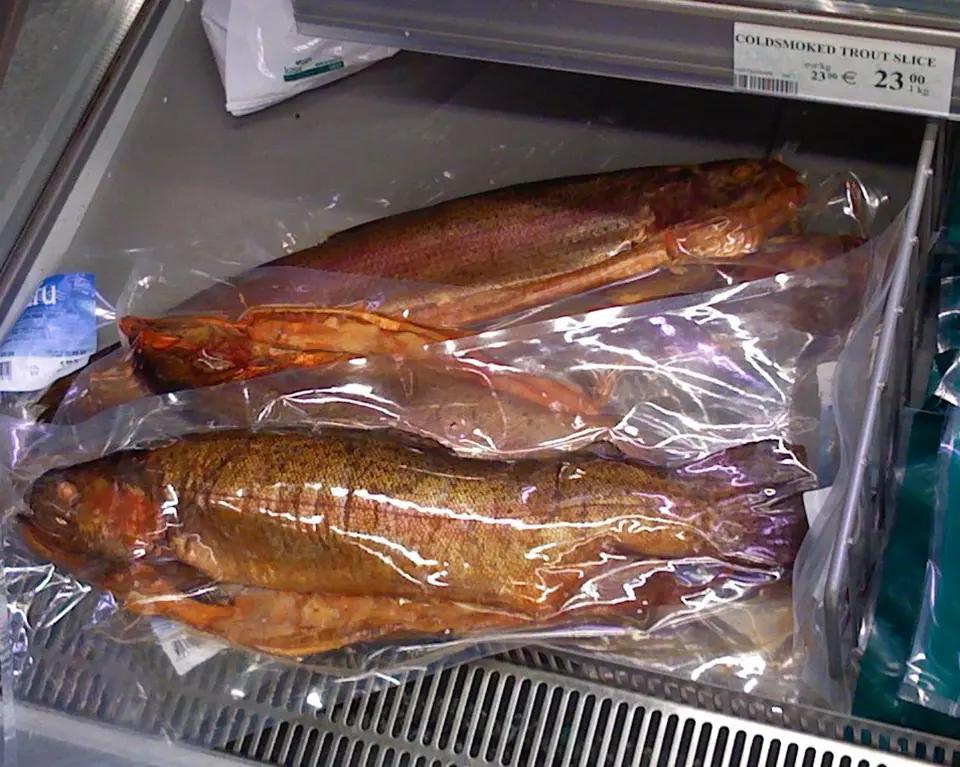
Smoked fish has been a popular processed fish product for centuries and continues to gain popularity today. While traditional smoked favorites like chub, whitefish, haddock, cod, and kippers remain popular, new species from aquaculture, such as eel, salmon, trout, dogfish, sturgeon, mackerel, and shark, are now available in the market. Even shellfish like oysters, clams, mussels, and scallops have been smoked to create new value-added products like pâtés, dips, spreads, salads, and snacks. These new smoked fish and shellfish products have been well-received by consumers, offering enhanced taste and a longer shelf life.
The Smoking Process: Preserving Fish and Shellfish
The smoking process not only enhances the flavor of fish and shellfish but also provides some protection against spoilage compared to fresh products. To ensure proper preservation, smoked products should be stored at temperatures between 0 and 3 degrees Celsius. When stored correctly, smoked products can have shelf lives ranging from one to four weeks, and heavily smoked products may not require refrigeration.
The preservation of fish and shellfish through smoking involves several steps:
- Surface drying: This step creates a physical barrier that prevents the penetration of bacteria and creates an unfavorable environment for their growth.
- Salting: Salting reduces water activity, inhibiting the growth of pathogenic microorganisms. However, excessive salting can make the products too salty for consumers.
- Deposition of phenolic antioxidant compounds: Phenolic compounds delay lipid oxidation, further preserving the fish and shellfish.
- Deposition of antimicrobial substances: Substances like phenols, nitrites, and formaldehyde are deposited during the smoking process, inhibiting the growth of spoilage and pathogenic microorganisms.
The Role of Lactic Acid Bacteria (LAB) in Biopreservation
Recent research has shown that the incorporation of lactic acid bacteria (LAB) can serve as a biopreservation method for smoked fish and shellfish. LAB are safe bacteria that produce antimicrobial metabolites, known as bacteriocins, which inhibit the growth of spoilage and pathogenic microorganisms. LAB, like Carnobacterium piscicola, have been particularly effective in controlling pathogens like Listeria monocytogenes. However, further research is needed to fully utilize bacteriocin-producing bacteria as a form of biological control.
Smoke Production and Wood Selection
Smoke can be produced using logs, wood chips, or sawdust. Sawdust is preferred as it smolders easily and produces more smoke, which can be applied to the product. The lower temperatures required when using sawdust provide a smoke with greater preservative and flavor compounds. Careful wood selection is crucial to avoid the presence of human toxicants. Hardwoods like maple, oak, hickory, mesquite, cherry, apple, and beech are preferred for smoking fish and shellfish.
The Smoking Process: Achieving Desired Characteristics
During the smoking process, the fish or shellfish should remain moist to ensure the absorption of desired sensory characteristics. The interaction of carbonyls with amino components on the flesh surface gives smoked seafood products their characteristic golden color. Nitroso substances in smoke produce a pink color in the flesh. However, these nitroso substances can also react with amines in the fish muscle to form carcinogenic N-nitrosamines. Smoked seafood can contain up to 0.5 grams of smoke constituents per 100 grams of tissue, some of which may be carcinogenic. The flavor and aroma of smoked fish primarily come from the presence of phenols, with different smoking processes producing different phenolics.
Modern smoking processes do not adversely affect the protein quality or fatty acid profile of the fish or shellfish. However, overheating the product can reduce the availability of amino acids. It is important to note that none of the modern smoking processes utilize temperatures high enough to cause such reductions.
Smoked fish and shellfish offer a unique and delicious flavor profile, making them a popular choice among consumers. The smoking process not only enhances the taste but also provides some protection against spoilage, extending the shelf life of these products. With the availability of new species and value-added smoked products, the market for smoked fish and shellfish continues to grow. Incorporating lactic acid bacteria and selecting the right wood for smoking are additional considerations to enhance the preservation and flavor of smoked fish and shellfish. As consumers continue to seek out new and exciting flavors, smoked fish and shellfish are sure to remain a favorite choice.
If you want to know other articles similar to Enhancing taste and shelf life: smoked fish ingredients you can visit the Smoking category.
Related Articles