
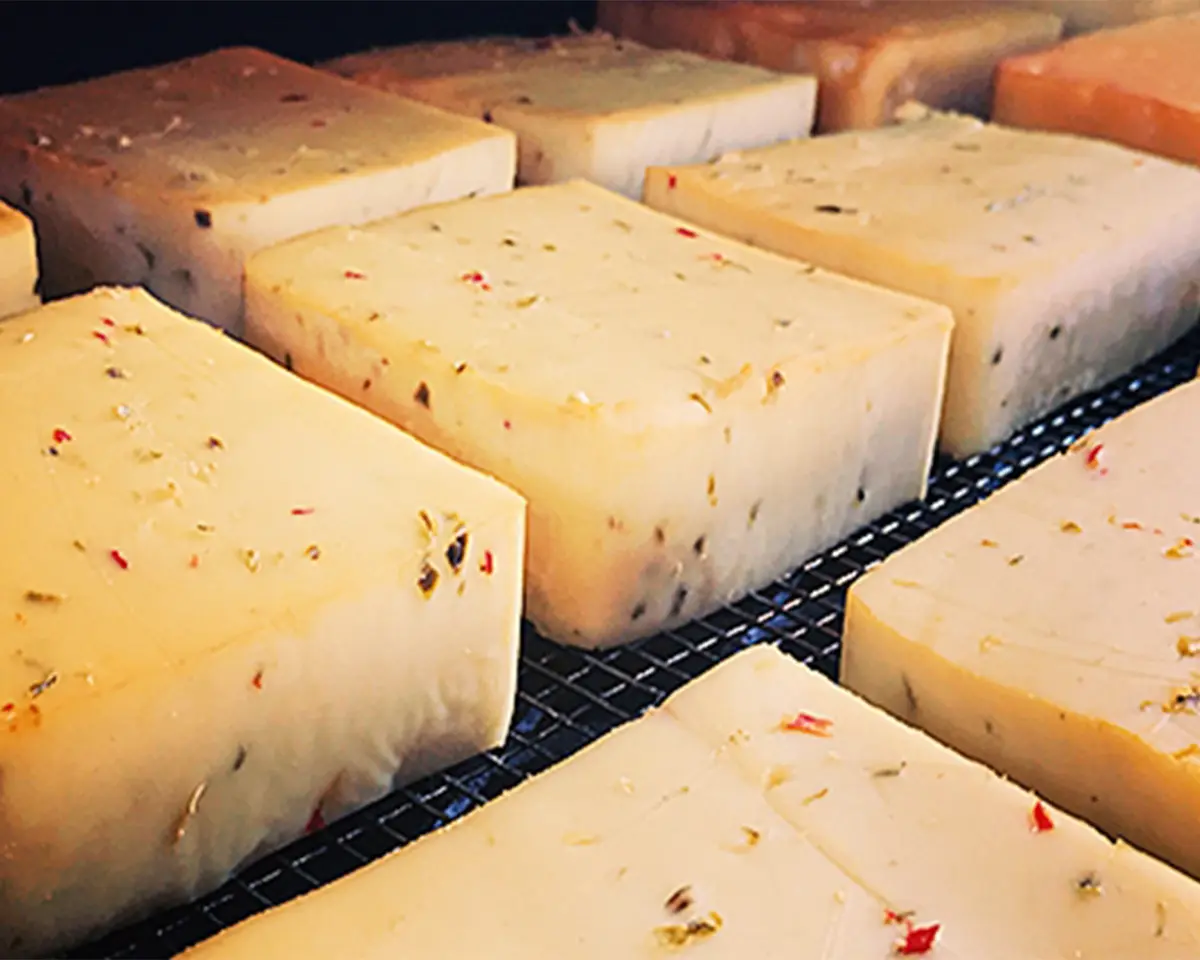
If you're a fan of cheese and love experimenting with different flavors and textures, then smoked feta cheese is a must-try. The process of smoking feta cheese adds a unique and tantalizing smoky flavor that enhances the overall taste. In this article, we'll delve into the world of smoked feta, discussing how to cold smoke feta cheese, the difference between feta and Greek feta, and more.
Cold Smoking Feta Cheese
Cold smoking is a popular method used to infuse cheese with a delicate smoky flavor without melting it. The Yoder Smokers pellet grill is an excellent tool for cold smoking feta cheese. By turning on the grill without starting the pellets, you can create a gentle smoke that passes over the cheese and out the chimney, minimizing any bitterness that cold smoke can sometimes bring.
To cold smoke feta cheese, start by loading a tube smoker with your preferred wood choice. A mix of hickory and cherry is a great combination for a well-rounded smoke flavor. Place the tube smoker on the bottom grate of the Yoder grill, to the left side of the pit above the firebox. Light the tube smoker, let it burn for a few minutes, and then blow it out. This allows the wood to smolder and produce smoke without generating too much heat.
Next, place the feta cheese on the top rack of the Yoder grill, away from the heat of the smoke generator to prevent melting. It's essential to consider the temperature when cold smoking cheese. Aim for an ambient temperature between 40-60 degrees Fahrenheit. True cold smoke is 90 degrees or less, but if the outside temperature reaches 70 degrees or higher, the heat from the smoke generator can affect the quality of the cheese. You can mitigate this by placing a tray of ice water on the bottom grate, but it's easier to plan your cold smoking session accordingly.
Let the feta cheese smoke for several hours, depending on your preference for smoke flavor. Some people prefer a lighter smoke and only smoke their cheese for a few hours, while others, like myself, enjoy a heavier smoke flavor and will smoke it until they achieve their desired color and flavor. You can smoke feta cheese for up to 8 hours.
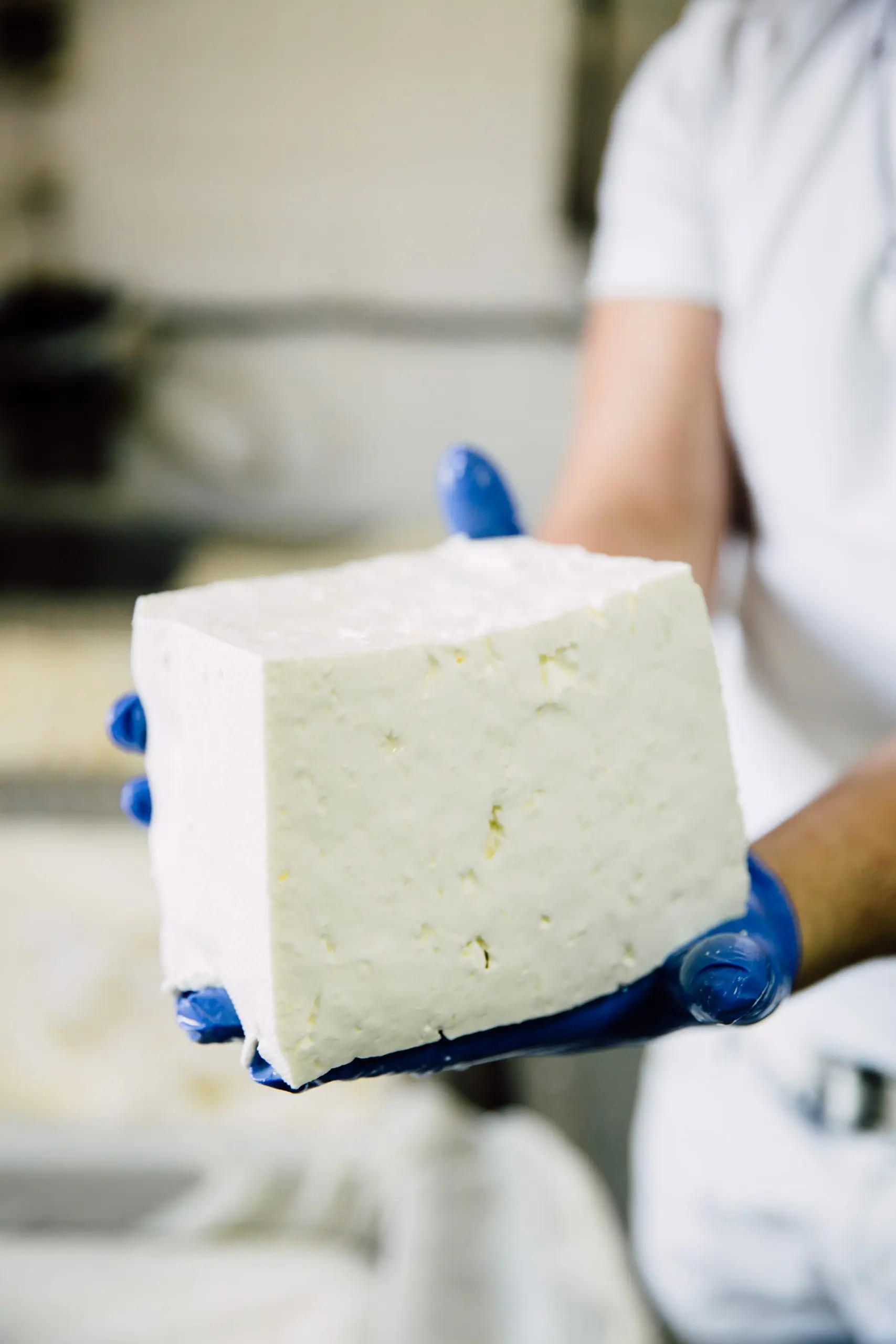
Once the smoking process is complete, the feta cheese will have a bitter flavor. To mellow out the smoke flavor, allow the cheese to rest. Vacuum seal the smoked feta and let it rest in the refrigerator for at least a month. The longer it rests, the more the smoke flavor will mellow. If the cheese still tastes too bitter or smoky after a month, seal it back up and let it rest for a bit longer. However, it's worth mentioning that some people have enjoyed cold smoked cheese within a week of smoking it.
The Difference Between Feta and Greek Feta
Feta cheese is a staple in Greek cuisine and the Mediterranean diet. It is a flavorful and creamy cheese cured in brine. Traditionally, feta is made from 100% sheep's milk, although some variations may contain up to 30% goat's milk. The Protected Designation of Origin (PDO) indication in the European Union ensures that feta cheese labeled as feta contains at least 70% sheep's milk and no more than 30% goat's milk. However, this protection does not apply to feta cheese produced and sold outside the EU, meaning that feta produced in the United States and other countries may contain cow's milk or a combination of milks.
The process of making feta cheese involves adding lactic acid bacteria to sour the milk and initiate fermentation. Rennet enzymes are then added to separate the solid milk curds from the whey. The curds are cut into small blocks, placed in molds, and left to age in wooden or metal containers. After a few days, the feta blocks are transferred to containers filled with a salty brine, where they continue to age for at least two months.
Feta vs. Goat Cheese
The main difference between feta and goat cheese lies in the type of milk used. Feta cheese is predominantly made from sheep's milk, while goat cheese is primarily made from goat's milk. Both cheeses have a white appearance and a creamy texture. Feta cheese has a tangy and salty taste due to the brine curing process, while goat cheese has a stronger earthy aroma and a bold tart flavor.
Feta cheese is shaped into blocks during production and may have small shallow holes throughout, creating a slightly grainy texture. It does not have any rind or skin surrounding it. On the other hand, goat cheese is often shaped into logs, wheels, or triangular blocks and may or may not have an edible rind. The hardness or softness of feta and goat cheese can vary, with hard feta easily crumbling and soft feta being more spreadable. Goat cheese also varies in texture, ranging from soft and spreadable to stiff and crumbly.
Feta Buying Guide
When purchasing feta cheese, it's essential to read the packaging label and ingredient list to determine the type of milk used. Feta cheese produced in Greece is typically made with mostly sheep's milk. However, feta cheese produced outside the European Union may contain cow's or goat's milk. If you're unsure about the type of cheese you're buying, it's best to check with an employee at a cheese shop or carefully examine the packaging for any mention of the milk source.
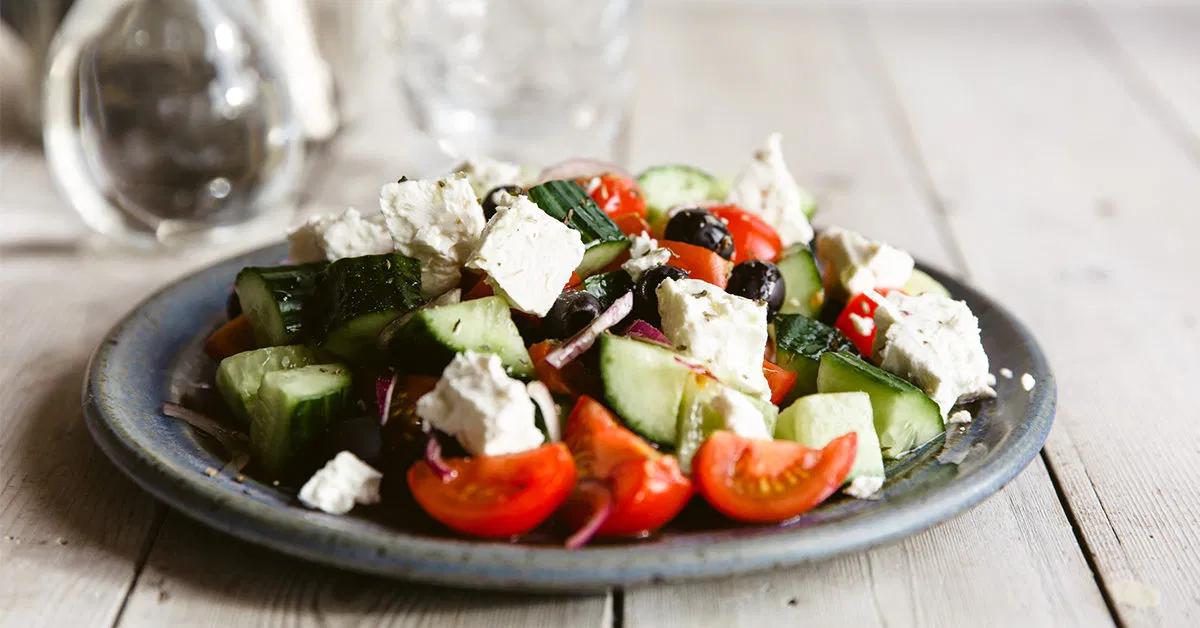
Smoked feta cheese adds a delightful twist to your culinary adventures. Whether you enjoy it on its own, crumbled over salads, or incorporated into various dishes, the smoky flavor of this cheese will undoubtedly elevate your taste buds. So, why not give it a try and experience the delectable world of smoked feta cheese?
If you want to know other articles similar to Exploring the deliciousness of smoked feta cheese | 45 characters you can visit the Food category.
Related Articles