

Smoking meat has been a popular method of preservation for centuries. Before the invention of refrigeration, smoking was used to extend the shelf life of beef while also infusing it with a delicious smoky flavor. There are two main techniques for smoking beef: cold smoking and hot smoking.

What is Cold Smoking?
Cold smoking involves using wood-infused smoke at low temperatures (around 12-22°C) to flavor and preserve the beef without cooking it. This method is typically used for longer preservation periods and is great for adding a subtle smoky taste to the meat.
What is Hot Smoking?
Hot smoking, on the other hand, involves cooking the beef over wood chips, infusing it with a rich smoky flavor and making it immediately ready to eat. This method is perfect for cuts of beef that don't require long cooking times and results in tender, flavorful meat.
Best Beef Cuts for Smoking
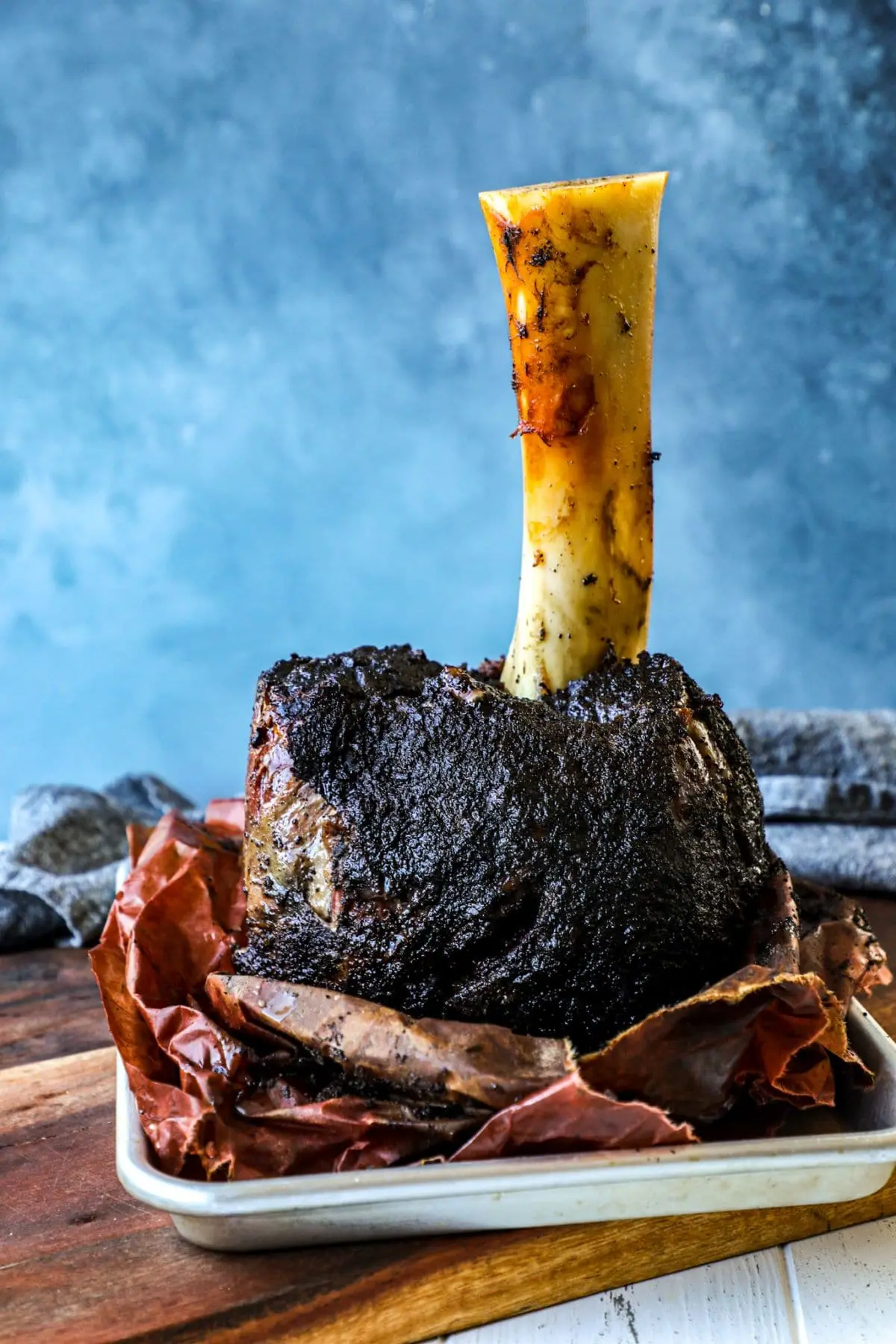
When it comes to smoking beef, certain cuts work better than others. For slow smoking, which involves cooking the meat slowly over a long period of time, cuts like brisket, shoulder, short ribs, chuck, tri-tip, and standing rib roast are ideal. These cuts have plenty of marbling and connective tissue that breaks down during the slow cooking process, resulting in tender, melt-in-your-mouth meat.
For fast smoking, which is done at higher temperatures and shorter cooking times, cuts like T-bone, sirloin, and even meatballs are great options. These cuts don't require as much time to cook but still benefit from the smoky flavor.
Smoking Equipment
When it comes to smoking beef, you don't necessarily need fancy equipment. While purpose-built smokers are available, you can also use a wok, oven, stovetop, or barbecue to smoke your meat. Here are some essential smoking accessories:
- Smoker - This can be a purpose-built smoker or a wok, oven, stovetop, or barbecue.
- Smoking accessories - Barbecue mitts and long tongs for stoking the wood.
- Smoking chips - Culinary wood chips specially formulated for smoking beef.
Quick Guide to Smoking Wood Chips
Choosing the right wood chips is crucial for achieving the desired flavor in your smoked beef. Here are some popular wood chip options and their flavor characteristics:
| Wood Chip Type | Smoky Flavor Characteristics |
|---|---|
| Acacia | Not as strong as mesquite. Burns hot, so use smaller amounts. |
| Almond | Sweet, nutty taste. |
| Apple | Adds a light, fruity, and sweet taste. |
| Ash | Light, distinctive, and slightly sweet. Burns fast, ideal for quick flavor infusions. |
| Cherry | Sweet, mild, and slightly fruity. |
| Hickory | Strong and smoky. Good for quick smoking or low and slow for an intense flavor hit. |
| Lemon | Medium flavor with a subtle hint of fruit. |
| Lilac | Mild, sweet, smoky flavor. |
| Mesquite | Sweet, light, and especially good with ribs. Burns hot and fast, ideal for quick smoking. |
| Oak | Heavy smoke taste that's not overpowering. |
| Pecan | Lighter and more subtle than hickory, with a delicate flavor. |
Smoking Time and Temperature Guide
Knowing the right smoking time and temperature is essential for achieving perfectly smoked beef. Here's a guide for some popular cuts:
| Popular Cuts | Smoking Temperature | Smoking Cooking Time (may vary) | Final Smoked Temperature |
|---|---|---|---|
| Smoked brisket (sliced) | 104°C | 5 hours / 500g | 79°C |
| Smoked brisket (pulled) | 107°C | 5 hours / 500g | 90°C |
| Smoked beef ribs | 107°C | 3-4 hours | 74°C |
| Smoked baby back ribs | 107°C | 5 hours | Tear-apart tender |
| Smoked spare ribs | 107°C | 6 hours | Tear-apart tender |
| Smoked meatballs (5 cm) | 107°C | 1 hour | 74°C |
Preparing Your Meat for Smoking
To enhance the flavor of your smoked beef, you can use dry rubs, marinades, or spices. These can be applied before smoking or during the cooking process. Here are some tips:

- Dry rubs - Create your own flavor combinations using spices like Cajun, Indian, Mexican, or Korean blends.
- Marinades - Select sweeter marinades to create a delicious crispy or caramelized coating.
- Fresh herbs - Use herbs like parsley butter to bring out the flavor of your smoked cuts.
When smoking beef, it's important to remember that the meat may appear pinker due to the rubs and marinades. To ensure the meat is cooked to your desired level of doneness, use a meat thermometer rather than relying solely on visual cues.
Smoking vegetables can also be a delicious addition to your meal. Cut wedges of potatoes, pumpkins, carrots, or sweet potatoes, season them, and generously glaze with olive oil. Smoke according to taste and finish them in the oven or on the barbecue.
Six Easy Ways to Smoke Beef
Whether you prefer to smoke your beef indoors or outdoors, there are several methods you can use to achieve that delicious smoky flavor. Here are six easy ways to smoke beef:
Smoking with a Wok
Location: Indoor cooktop (must have a good extractor fan) or outdoor barbecue hotplate.
What you need:
- Wood chips
- Heavy-duty aluminum foil
- Wok
- Metal rack (cake cooling rack is fine)
- Selected cut of beef
How to do it:
- Press foil into the base of the wok, allowing it to hang over the sides by 10 cm.
- Add wood chips to the wok and set the barbecue hotplate or stovetop burner to medium-high heat, allowing the wok to heat up until the wood starts releasing smoke (around 5 minutes).
- Using oven mitts, place the metal rack onto the wok. If using a round rack, insert it into the wok so it is 8 cm above the base.
- Place the beef cut on top of the rack in the center, leaving space between each piece.
- Using oven mitts, place a second large piece of foil over the top of the meat, lift the edges of the bottom sheet, and pinch the two pieces of foil tightly together. Enclose the entire rack in a foil 'tent', leaving as much space for air circulation as possible.
- Infuse the beef for at least 10 minutes, then turn off the heat and leave it for a further 20 minutes as the smoke dissipates. Remove the beef and finish it off on the barbecue or in the oven, cooked to your liking.
Smoking in an Oven
Location: Indoor oven.
What you need:
- Wood chips
- Foil oven tray
- Heavy-duty aluminum foil
- Metal rack (cake cooling rack is fine)
- Selected cut of beef
How to do it:
- Place moistened wood chips into the aluminum tray and cover with foil, piercing holes for smoke to escape.
- Place the metal rack over the smoker box.
- Set the beef on top of the rack and create an airtight 'tent' using foil, surrounding the aluminum tray and meat.
- Cook the beef to the required level of doneness, then let it rest.
- When ready, carefully unwrap the foil, taking care with the hot steam. You can complete your delicious smoky meat on the barbecue according to taste or serve it straight from the oven.
Smoking on a Stovetop
Location: Indoors.

What you need:
- Wood chips
- Large cooking pot
- Metal steamer insert
- Heavy-duty aluminum foil
- Selected cut of beef
How to do it:
- Line the cooking pot base with foil and cover it with a sprinkle of wood chips.
- Add another foil layer over the chips and place the steamer insert on top.
- Place the beef on top of the steamer, allowing space for smoke to circulate.
- Arrange foil generously around the edges of the lid to stop smoke from escaping.
- Heat on high for 5 minutes or until it starts smoking, then lower the heat to medium-low and smoke the meat to the desired degree of doneness.
- Turn off the heat and leave the beef resting in the smoker for 10 minutes.
- Remove the foil and serve immediately, or finish cooking the aroma-infused meat on the barbecue to taste.
Smoking on a Gas Grill Barbecue
Location: Outdoor gas grill barbecue.
What you need:
- Aluminum tray
- Wood chips
- Heavy-duty aluminum foil
- Selected cut of beef
How to do it:
- If you don't have a store-bought smoker box, create your own by placing drained wood chips in an aluminum tray.
- Cover the tray with foil and pierce holes so smoke can escape.
- Place the smoking box inside the hood of the barbecue.
- Clean and lightly oil the barbecue grill, then fire it up.
- Smoke the meat, checking it now and then and adding more chips if necessary.
- Cook the meat to the preferred degree of doneness, using a meat thermometer to check.
- Keep the barbecue hood closed as much as possible to maintain an even temperature.
- Wrap the meat loosely in foil and let it rest for 10 minutes before serving.
Smoking on a Kettle Barbecue
Location: Outdoor kettle barbecue.
What you need:
- Wood chips
- Selected cut of beef
How to do it:
- Clean and lightly oil the barbecue grill.
- Fire up the barbecue with charcoal or briquettes and add smoke by topping with plenty of wet wood chips and chunks.
- Smoke the meat, checking it now and then and adding more chips if necessary.
- Cook the meat to the preferred degree of doneness, using a meat thermometer to check.
- Keep the kettle hood closed as much as possible to maintain an even temperature.
- Wrap the meat loosely in foil and let it rest for 10 minutes before serving.
Using a Purpose-Built Smoker
If you're serious about smoking beef, investing in a purpose-built outdoor smoker is a great option. These smokers usually come with cooking racks, a water bowl, and a thermostat for temperature control. Follow the instructions provided with your smoker to get started.
Is Smoked Beef Ready to Eat?
If you've purchased smoked beef from the supermarket and are unsure how to prepare it, there are a few things to keep in mind. Smoked beef is typically already cooked and ready to eat. However, depending on the cut and how it has been smoked, it may require additional cooking.
If the smoked beef is labeled as ready to eat or fully cooked, you can simply slice it and enjoy it as is. However, if it's labeled as smoked beef without any additional information, it's best to check the packaging or consult with the retailer for cooking instructions.
In general, smoked beef can be stored in the refrigerator for several days. However, it's always best to follow the storage instructions provided on the packaging and consume the beef within the recommended time frame.
By following these tips and techniques, you can become a master at smoking beef and enjoy delicious, smoky flavors in your own home. Experiment with different cuts, wood chips, and seasonings to create your own unique smoked beef creations. Whether you're a beginner or an experienced smoker, the art of smoking beef is sure to impress your friends and family.
Can I smoke beef with other types of wood chips?
While the guide provided above focuses on popular wood chip options for smoking beef, you can certainly experiment with other types of wood chips. Just keep in mind that the flavor characteristics may vary, so it's best to start with small amounts and adjust to taste.
Can I smoke beef using pine, cedar, or green woods?
No, pine, cedar, and green woods are not suitable for smoking beef. These types of woods can produce toxic smoke and should be avoided.
How long should I soak wood chips before smoking?
Soaking wood chips in water before smoking is a common practice to help them smolder rather than burn. You can soak wood chips for at least 30 minutes before using them, or for maximum effect, soak them for up to 24 hours. Experiment with different soaking times to achieve your desired smoke intensity.
Can I smoke vegetables along with the beef?
Absolutely! Smoking vegetables can add a delicious smoky flavor to your meal. Cut wedges of potatoes, pumpkins, carrots, or sweet potatoes, season them, and generously glaze them with olive oil. Smoke the vegetables according to taste and finish them in the oven or on the barbecue.
Remember to have fun and be creative with your smoking adventures. Enjoy the process of smoking beef and savor the mouthwatering flavors that it brings to your table.
If you want to know other articles similar to Smoking beef: a guide to flavourful meat you can visit the Cooking category.
Related Articles