

Brisket is a beloved cut of meat that is known for its rich flavor and tender texture. When it comes to cooking brisket, one popular method is long smoking. This technique involves slow-cooking the brisket over low heat for an extended period of time, resulting in a melt-in-your-mouth meat that is packed with smoky goodness.
The Art of Long Smoking Brisket
Long smoking brisket requires patience and careful attention to detail. The process starts with selecting the right cut of brisket. Look for a well-marbled piece of meat with a thick fat cap, as this will help keep the meat moist during the long cooking process.
Before smoking the brisket, it's important to season it well. A simple rub made from a combination of salt, pepper, garlic powder, and paprika can enhance the flavor of the meat. Apply the rub generously, making sure to cover the entire surface of the brisket.
Once the brisket is seasoned, it's time to fire up the smoker. Long smoking requires a low and steady temperature, ideally around 225°F (107°C). This slow cooking process allows the brisket to develop a deep smoky flavor and become tender.
When it comes to choosing the wood for smoking, hardwoods like oak, hickory, and mesquite are popular choices. These woods impart a rich smoky flavor that complements the brisket. Soak the wood chips or chunks in water for at least 30 minutes before adding them to the smoker to ensure a steady release of smoke.
Place the brisket on the smoker, fat side up, and let it cook undisturbed for several hours. The length of time will depend on the size and thickness of the brisket, but it's not uncommon for it to take anywhere from 10 to 14 hours. It's important to monitor the temperature of the smoker and the internal temperature of the brisket regularly to ensure it doesn't overcook.
Is It Possible to Smoke a Brisket Too Long?
Yes, it is possible to smoke a brisket for too long. Overcooking the brisket can result in dry and tough meat that lacks flavor. The key is to find the right balance between cooking the brisket long enough to achieve tenderness and smoky flavor, but not so long that it becomes dry.
One way to prevent overcooking is by using a meat thermometer to monitor the internal temperature of the brisket. The ideal internal temperature for a perfectly smoked brisket is around 195°F (90°C). Once the brisket reaches this temperature, it's ready to be taken off the smoker.
After removing the brisket from the smoker, let it rest for at least 30 minutes before slicing. This allows the juices to redistribute, resulting in a more flavorful and moist brisket. Slice the brisket against the grain to ensure tenderness.
- Q: How long should I smoke a brisket?
- Q: Can I smoke a brisket on a gas grill?
- Q: Can I freeze leftover smoked brisket?
A: The cooking time for a brisket can vary depending on its size and thickness. As a general guideline, plan for 1 to 5 hours of cooking time per pound of brisket.
A: Yes, you can smoke a brisket on a gas grill. Set up your grill for indirect heat and maintain a low, steady temperature throughout the cooking process.
A: Absolutely! Leftover smoked brisket can be frozen for later use. Wrap it tightly in plastic wrap or aluminum foil, and place it in a freezer-safe bag or container.
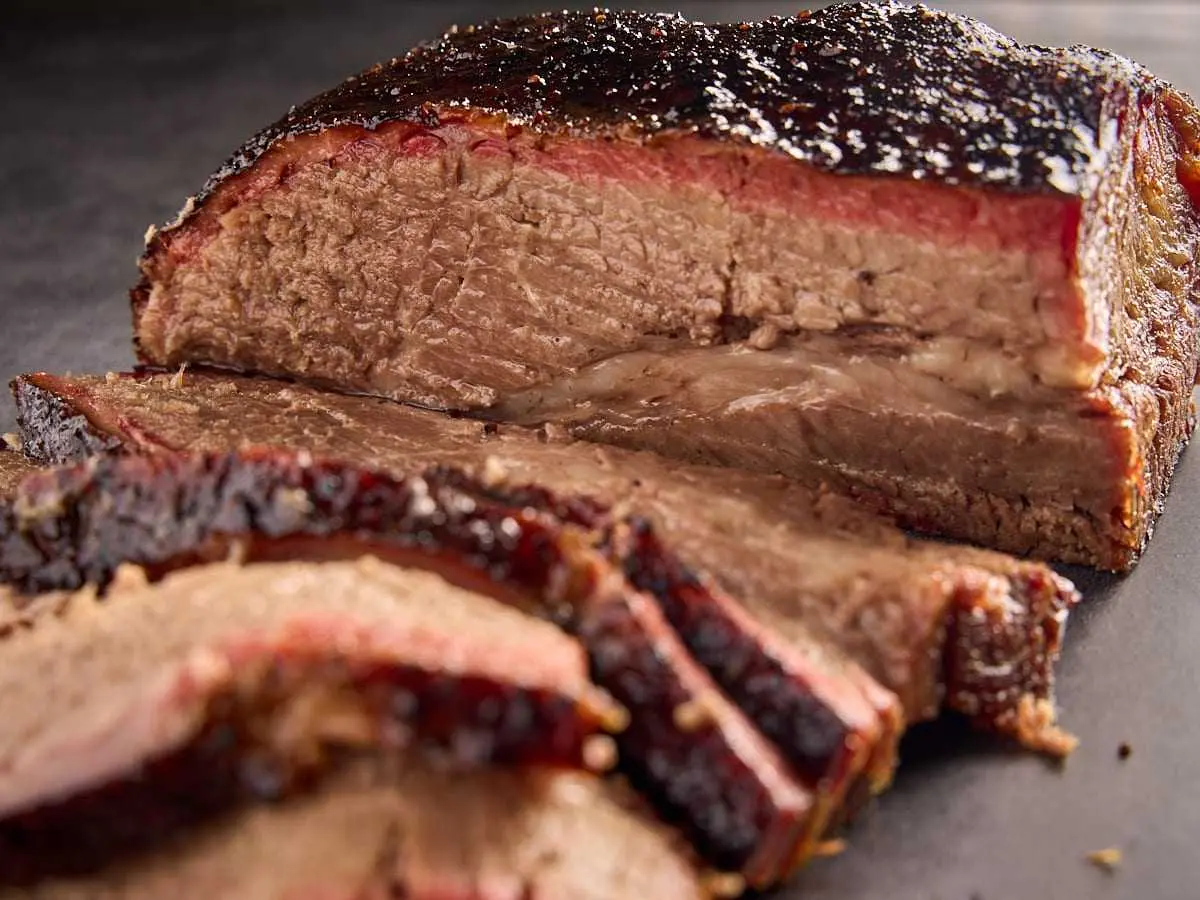
Long smoking brisket is a labor of love that yields incredible results. With the right technique and a little patience, you can enjoy a mouthwatering and tender brisket that is infused with smoky flavor. Remember to choose a well-marbled brisket, season it well, and cook it low and slow for the best results. And don't forget to monitor the internal temperature to avoid overcooking. So fire up your smoker, grab a cold beverage, and get ready to savor the deliciousness of long smoked brisket.
If you want to know other articles similar to Perfectly smoked brisket: the ultimate guide you can visit the Smoking category.
Related Articles