

Smoked brisket is a classic dish that is loved by meat enthusiasts all over the world. When prepared correctly, it can be incredibly juicy and tender, with a rich smoky flavor that is hard to resist. In this article, we will guide you on how to smoke a brisket to make it juicy and ensure that it turns out tender every time.

How do you smoke a brisket to make it juicy?
Smoking a brisket to perfection requires time, patience, and the right techniques. Here are some steps to follow to achieve a juicy smoked brisket:
Choose the right cut of brisket
When it comes to smoking brisket, the cut of meat plays a crucial role in determining its juiciness. Look for a brisket with a good amount of marbling, as this fat will render down during the smoking process, keeping the meat moist and flavorful.
Trim the brisket
Before smoking, it is essential to trim excess fat from the brisket. Leaving a thin layer of fat can help add flavor and moisture to the meat, but too much fat can lead to an overly greasy brisket. Trim the fat, leaving about ¼ inch to ensure a perfect balance.
Season generously
Seasoning is key to enhancing the flavor of your smoked brisket. Create a flavorful rub using a combination of salt, pepper, garlic powder, onion powder, paprika, and any other preferred spices. Generously coat the brisket with the rub, ensuring that every inch is covered.
Preheat and prepare the smoker
Preheat your smoker to a temperature of around 225°F (107°C). Use hardwood chunks or chips, such as hickory or oak, to create a smoky flavor. Soak the wood chips in water for about 30 minutes before adding them to the smoker. This will help them smolder and produce more smoke.
Smoke low and slow
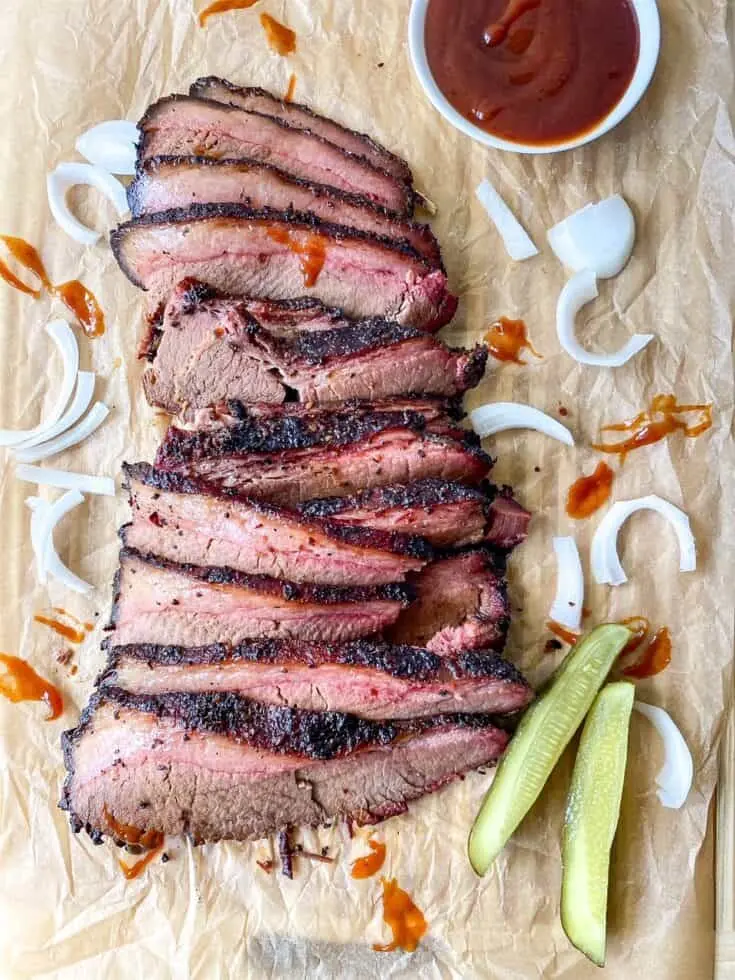
Place the seasoned brisket in the smoker, fat side up, and close the lid. Maintain a consistent temperature of 225°F (107°C) throughout the smoking process. The low and slow cooking method allows the collagen in the brisket to break down slowly, resulting in a tender and juicy final product.
Use a water pan
Placing a water pan in the smoker can help maintain moisture levels and create a more humid cooking environment. This will prevent the brisket from drying out and contribute to its juiciness.
Wrap the brisket
After a few hours of smoking, once the brisket has developed a desirable smoky flavor, it's time to wrap it. Use aluminum foil or butcher paper to tightly wrap the brisket. This will help retain moisture and speed up the cooking process, resulting in a more tender and juicy end product.
Rest and slice
Once the brisket reaches an internal temperature of around 200°F (93°C), remove it from the smoker and let it rest for at least an hour. This resting period allows the juices to redistribute within the meat, ensuring maximum juiciness. Slice against the grain to achieve tender and flavorful slices.
How do I make sure my smoked brisket is tender?
Tenderness is another critical aspect of a perfectly smoked brisket. Here are a few tips to ensure your smoked brisket turns out tender:
Choose the right cooking temperature
As mentioned earlier, maintaining a consistent cooking temperature of around 225°F (107°C) is crucial for achieving tenderness. Cooking the brisket too quickly at high temperatures can result in tough meat.
Allow for sufficient cooking time
Smoking a brisket takes time—usually 1 to 5 hours per pound. Patience is key to breaking down the collagen and achieving a tender texture. Avoid rushing the process, as this can lead to a tough and chewy brisket.
Rest the brisket
Resting the brisket after smoking is essential for ensuring tenderness. During the resting period, the residual heat continues to cook the meat, while the collagen breaks down further, resulting in a more tender texture. Aim to rest the brisket for at least an hour before slicing.
Slice against the grain
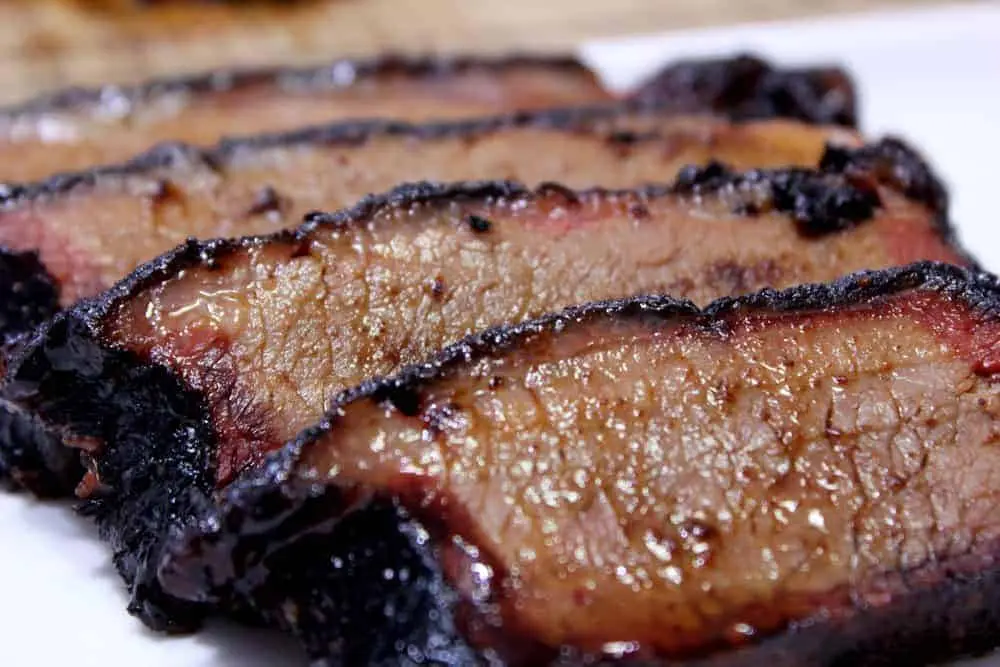
Slicing the brisket against the grain is crucial for achieving tenderness. The grain refers to the muscle fibers in the meat. Cutting against the grain shortens these fibers, making the meat easier to chew and resulting in a more tender bite.
By following these steps and tips, you can achieve a juicy and tender smoked brisket that will impress your family and friends. Experiment with different rubs and wood flavors to create your signature brisket. Happy smoking!
Frequently Asked Questions
- Q: What is the ideal internal temperature for a smoked brisket?
- Q: Can I smoke a brisket without a smoker?
- Q: How long should I rest the brisket after smoking?
- Q: Can I freeze leftover smoked brisket?
A: The ideal internal temperature for a smoked brisket is around 200°F (93°C). At this temperature, the collagen in the meat has broken down, resulting in a tender texture.
A: While a smoker is the preferred method for smoking brisket, you can also use a charcoal grill with indirect heat. Create a two-zone fire by placing the charcoal on one side and the brisket on the other side, away from the direct heat source.
A: It is recommended to rest the brisket for at least an hour after smoking. This allows the juices to redistribute and the meat to become more tender.
A: Yes, you can freeze leftover smoked brisket. Wrap it tightly in foil or place it in an airtight container before freezing. When ready to eat, thaw it in the refrigerator overnight and reheat gently.
Smoked brisket is a culinary delight that can be enjoyed by anyone with a love for barbecue. By following the steps outlined in this guide, you can smoke a juicy and tender brisket that will leave your taste buds craving for more. Remember to choose the right cut, season generously, smoke low and slow, and rest the brisket before slicing. With a little practice and patience, you'll become a master of juicy smoked brisket!
If you want to know other articles similar to Juicy smoked brisket: a guide to smoking and tenderizing you can visit the Barbecue category.
Related Articles