
Undergoing a tummy tuck, also known as abdominoplasty, is a major decision that requires careful consideration and preparation. One crucial aspect that individuals need to address before undergoing this procedure is smoking cessation. Smoking can have a significant impact on the outcome of a tummy tuck surgery, and it is important to understand the potential risks associated with smoking before and after the procedure.
Should I Stop Smoking Before a Tummy Tuck?
The short answer is yes. It is highly recommended that individuals stop smoking at least six weeks before undergoing a tummy tuck procedure. Smoking can have detrimental effects on the body's healing process and increase the risk of complications during and after surgery.

When you smoke, the nicotine and other chemicals in cigarettes constrict blood vessels, reducing the flow of oxygen-rich blood to the tissues. This can lead to impaired wound healing, increased risk of infection, and delayed recovery. Additionally, smoking can negatively affect the skin's elasticity, which is crucial for achieving optimal results from a tummy tuck.
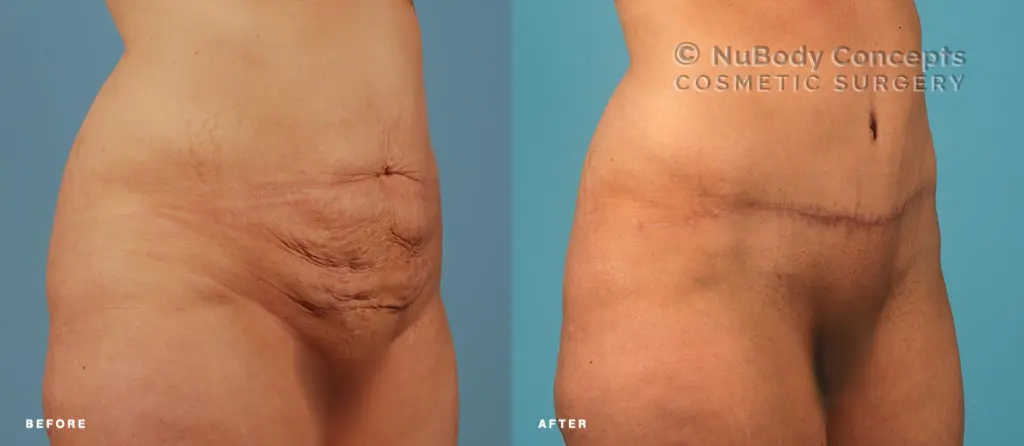
By quitting smoking before a tummy tuck, you can significantly improve your chances of a successful surgery and enhance the overall outcome. It is essential to consult with your surgeon about your smoking habits and their recommendations for smoking cessation.
How Do I Know if I Damaged a Tummy Tuck?
If you smoked before or after a tummy tuck, you might be worried about the potential damage it may have caused. While it is essential to consult with your surgeon for an accurate assessment, there are certain signs and symptoms that may indicate a complication related to smoking.
Delayed Healing:
Smoking can impede the body's healing process, leading to delayed wound healing. If you notice that your incisions are taking longer to heal than expected, or if you experience persistent redness, swelling, or drainage from the incision site, it is crucial to consult with your surgeon. They will be able to assess the situation and provide appropriate guidance.
Infection:
Smoking weakens the immune system, making individuals more susceptible to infections. If you develop signs of infection, such as increased pain, warmth, redness, or pus-like discharge from the incision site, it is vital to seek medical attention immediately. Prompt treatment can help prevent further complications and ensure proper healing.
Poor Scarring:
Smoking can negatively impact the quality of scars after a tummy tuck. It can cause scars to become more visible, raised, or thickened. If you notice any abnormal scarring or changes in the appearance of your incisions, it is important to discuss this with your surgeon. They may recommend scar management techniques or treatments to help improve the appearance of the scars.
It is crucial to remember that each individual's experience and healing process may vary. Therefore, it is always best to consult with your surgeon for an accurate assessment and personalized advice based on your specific situation.
In conclusion, smoking can have a significant impact on the outcome of a tummy tuck surgery. It is highly recommended to quit smoking at least six weeks before the procedure to minimize the risks of complications and optimize the healing process. If you have already smoked before or after a tummy tuck, it is important to be aware of the potential signs of damage, such as delayed healing, infection, or poor scarring. Consulting with your surgeon is crucial in addressing any concerns and receiving appropriate guidance for a successful recovery.
If you want to know other articles similar to The impact of smoking on tummy tuck surgery: risks and recommendations you can visit the Smoking category.
Related Articles