
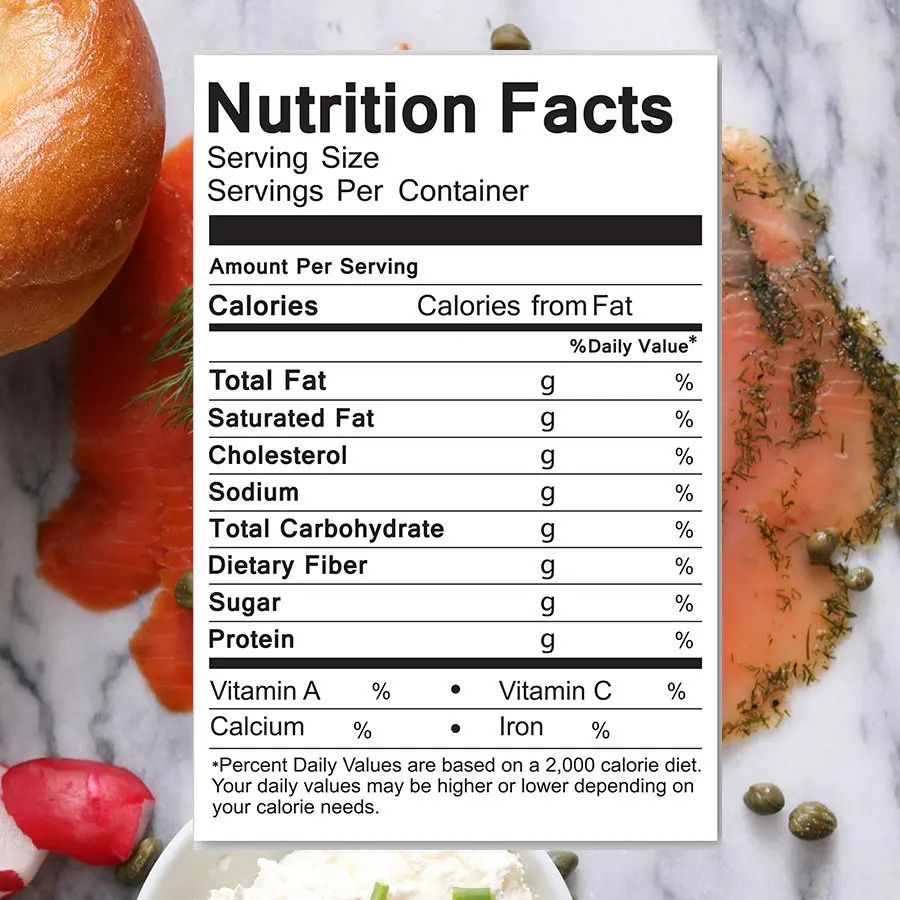
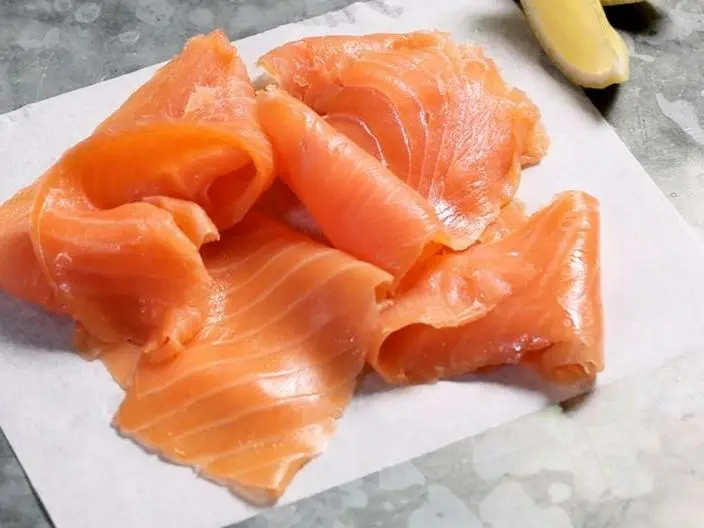
Smoked salmon is a delicious and popular seafood option that is enjoyed by many. It is often consumed as part of a healthy diet due to its high protein content and omega-3 fatty acids. However, if you are watching your fat intake, you may be wondering how much fat is in smoked salmon. In this article, we will explore the fat content of smoked salmon and its nutritional benefits.
Understanding the Fat Content of Smoked Salmon
Smoked salmon is known for its rich, savory flavor and delicate texture. It is typically made from fresh salmon that has been cured and then cold or hot smoked. The smoking process enhances the flavor and extends the shelf life of the fish.
When it comes to the fat content of smoked salmon, it is important to note that not all fats are created equal. While it does contain fat, the majority of the fat in smoked salmon is heart-healthy unsaturated fat, specifically omega-3 fatty acids.
Omega-3 fatty acids are a type of polyunsaturated fat that is essential for our overall health. They play a crucial role in brain function, heart health, and reducing inflammation in the body. Consuming foods rich in omega-3 fatty acids, such as smoked salmon, has been associated with numerous health benefits.
The Fat Content of Smoked Salmon
The fat content of smoked salmon can vary depending on the specific type and brand. However, on average, a 100-gram serving of smoked salmon contains around 13 grams of fat. This fat content is relatively low compared to other fatty fish or processed meats.
It is important to note that the majority of the fat in smoked salmon is healthy unsaturated fat, with very little saturated fat. Saturated fat is the type of fat that is typically associated with negative health effects, such as an increased risk of heart disease.
Additionally, smoked salmon is a good source of protein, with a 100-gram serving containing around 20 grams of protein. Protein is an essential macronutrient that plays a vital role in building and repairing tissues in the body.
The Nutritional Benefits of Smoked Salmon
Aside from its fat content, smoked salmon offers various nutritional benefits that make it a healthy addition to your diet. Here are some key nutrients found in smoked salmon:
- Omega-3 fatty acids: As mentioned earlier, smoked salmon is an excellent source of omega-3 fatty acids, which are important for brain health and heart function.
- Protein: Smoked salmon is a good source of high-quality protein, which is essential for muscle growth and repair.
- Vitamins and minerals: Smoked salmon contains several important vitamins and minerals, including vitamin B12, vitamin D, selenium, and potassium.
Frequently Asked Questions
Is smoked salmon high in fat?
No, smoked salmon is not considered high in fat. It contains a moderate amount of healthy unsaturated fats, particularly omega-3 fatty acids, which are beneficial for heart health.
Can I eat smoked salmon if I am watching my weight?
Yes, you can still enjoy smoked salmon while watching your weight. It is relatively low in calories and provides a good source of protein, which can help keep you feeling full and satisfied.
How should smoked salmon be stored?
Smoked salmon should be stored in the refrigerator at a temperature below 40°F (4°C). It is best to consume it within a few days of opening the package for optimal freshness and flavor.
Can smoked salmon be frozen?
Yes, smoked salmon can be frozen to extend its shelf life. It is recommended to wrap it tightly in plastic wrap or aluminum foil before placing it in the freezer. Thaw it in the refrigerator before consuming.
In conclusion
Smoked salmon is a delicious and nutritious food that can be enjoyed as part of a balanced diet. While it does contain fat, the majority of the fat in smoked salmon is heart-healthy unsaturated fat, specifically omega-3 fatty acids. Along with its protein content and various vitamins and minerals, smoked salmon offers numerous health benefits. So, go ahead and indulge in this tasty seafood option without guilt!
If you want to know other articles similar to Smoked salmon: fat content & nutritional benefits you can visit the Nutrition category.
Related Articles