
When it comes to cooking pork ribs, there are numerous techniques and methods to achieve mouthwatering results. One popular approach is to use a dry rub and smoke the ribs, resulting in a tender and flavorful dish that is sure to impress your family and friends. In this article, we will explore the process of dry rubbing and smoking pork ribs, debunking common misconceptions along the way.
The Importance of Dry Rub
A dry rub is a combination of herbs, spices, and seasonings that is generously applied to the surface of the meat before cooking. This mixture not only adds flavor but also helps to create a delicious crust on the ribs. The precise composition of the dry rub can vary based on personal preference, but common ingredients include salt, sugar, paprika, garlic powder, onion powder, and black pepper.
Contrary to popular belief, there is no definitive answer to the question of whether to dry rub ribs overnight or right before smoking. Some people swear by allowing the rub to sit on the meat for several hours or even overnight, while others apply it just before placing the ribs in the smoker. Ultimately, the impact of the timing is minimal, as both methods yield fantastic, moist ribs.
Flavor Penetration and Moisture
It is often argued that applying the rub early will dry out the meat. However, from a food science perspective, this claim is flimsy. While rubs containing salt, sugar, or other hydrophilic substances may draw out some moisture, the extended cooking time of ribs ensures that the rub will have ample opportunity to extract moisture regardless of when it is applied.
The outermost layer of the meat is the first to release its moisture, typically within the first hour of cooking. Whether you apply the rub immediately before smoking or let it rest for a few hours, the moisture loss from the meat's interior remains relatively consistent. Additionally, when ribs are wrapped during the resting period, the brine produced by the moisture and salt in the rub helps to break down the outer muscle structure, allowing the meat to reabsorb much of the lost liquid.
While there may be a slight advantage in flavor by applying the rub in advance, the difference primarily affects the outermost layer of meat. Therefore, allowing the rub to sit for more than an hour or two is unlikely to make significant changes in flavor.
Smoking the Ribs to Perfection
Once the dry rub has been applied, it's time to smoke the ribs. Smoking is a slow and low-temperature cooking method that imparts a smoky flavor and tenderizes the meat. There are various types of smokers available, including charcoal, wood pellet, and electric smokers. Choose the one that suits your preferences and equipment availability.
When smoking pork ribs, it is crucial to maintain a consistent temperature between 225-250°F (107-121°C) for the duration of the cooking process. The ribs should be placed bone-side down on the smoker grates, allowing the smoke to envelop the meat and infuse it with delicious flavors.
The cooking time can vary depending on the thickness of the ribs, but a general guideline is approximately 5-6 hours. However, the true indicator of doneness is tenderness. To check for this, use the bend test - pick up the ribs with tongs and gently twist them. If the meat starts to separate from the bone and the ribs bend easily, they are ready to come off the smoker.
Enhancing the Flavor with Smoke
The type of wood you choose for smoking can greatly influence the flavor of the ribs. Popular options include hickory, applewood, mesquite, and cherry wood. Each wood imparts a unique taste, allowing you to experiment and find your preferred combination.
It is essential to soak the wood chips or chunks before adding them to the smoker. This step helps to create a steady flow of smoke and prevents the wood from burning too quickly. As the ribs cook, the smoke will infuse into the meat, resulting in a smoky and tantalizing flavor profile.
Frequently Asked Questions
- Can I use a wet rub instead of a dry rub for smoking ribs?
- How long should I let the ribs rest after smoking?
- Can I use the same dry rub for other types of meat?
While dry rubs are the traditional choice for smoked pork ribs, you can certainly use a wet rub if desired. Wet rubs typically contain liquid ingredients like oil, vinegar, or Worcestershire sauce. The choice between dry and wet rubs comes down to personal preference and the flavor profile you wish to achieve.
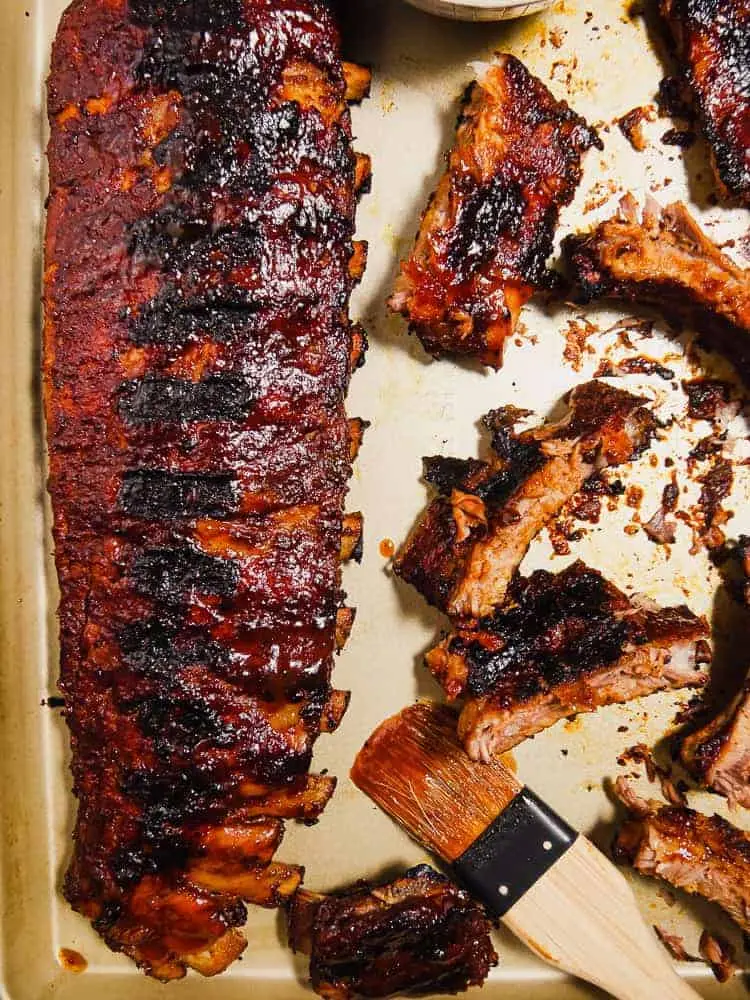
After removing the ribs from the smoker, it is essential to let them rest for approximately 10-15 minutes. This resting period allows the juices to redistribute throughout the meat, resulting in a more flavorful and tender final product.
Absolutely! Dry rubs are versatile and can be used on various cuts of meat, such as chicken, beef, or even vegetables. Feel free to experiment and adjust the seasoning to suit your taste preferences.
Dry rub smoked pork ribs are a culinary delight that combines the rich flavors of a well-seasoned rub with the smoky goodness of the smoking process. Whether you choose to apply the rub overnight or right before smoking, the impact on the final result is minimal. The key to achieving tender and flavorful ribs lies in maintaining a consistent smoking temperature and allowing the ribs to cook until they reach the desired level of tenderness. So fire up your smoker, apply your favorite dry rub, and get ready to indulge in a delectable feast of dry rub smoked pork ribs.
If you want to know other articles similar to Delicious dry rub smoked pork ribs: mastering the art you can visit the Cooking category.
Related Articles