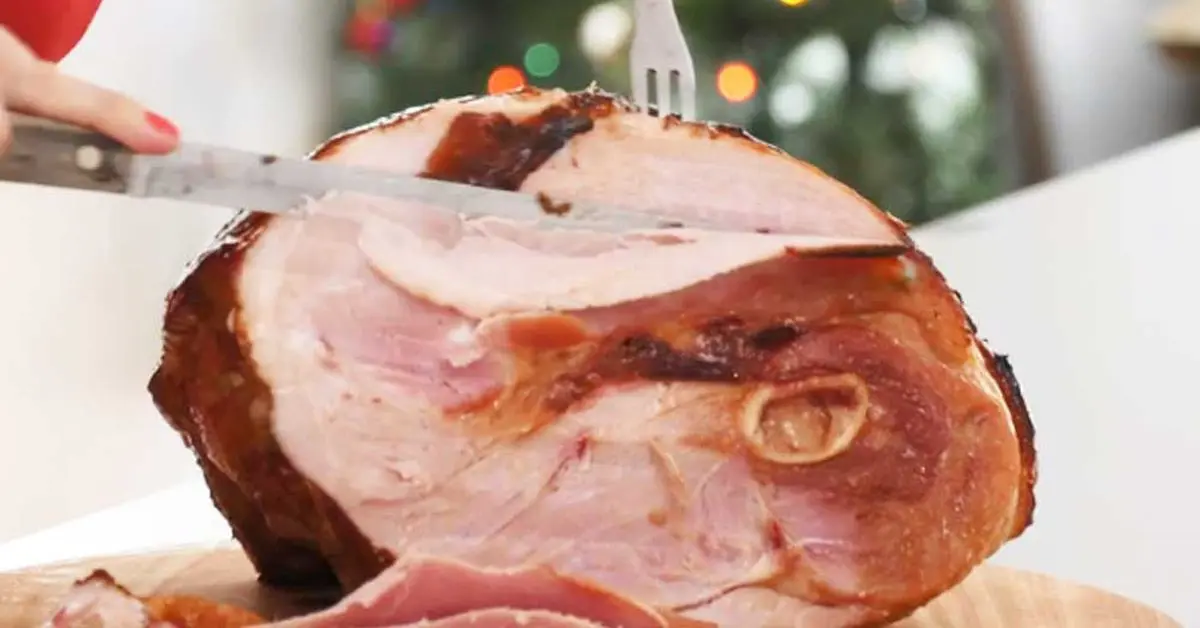
The holiday season is upon us, and one of the most beloved and traditional dishes served during Christmas is ham. But when it comes to choosing the perfect ham for your festive feast, the question arises: smoked or unsmoked? In this article, we will explore the differences between these two types of hams and help you make an informed decision for your Christmas celebration.
Smoked Ham
Smoked ham is a type of ham that has been cured and then smoked to enhance its flavor. The smoking process involves exposing the ham to smoke from burning wood chips or logs, which imparts a rich and smoky taste to the meat. Smoked hams are typically darker in color and have a distinct smoky aroma.
Some people prefer smoked ham for its intense and flavorful taste. The smokiness adds depth to the ham and can be a delightful addition to your Christmas spread. However, it's important to note that smoked hams can vary in their level of smokiness. If you're not a fan of strong smoky flavors, you may want to opt for a milder version or even try a sample before purchasing a larger ham.
Unsmoked Ham
On the other hand, unsmoked ham, also known as gammon, is a type of ham that has been cured but not subjected to the smoking process. Unsmoked hams have a milder and more delicate flavor compared to their smoked counterparts. They retain the natural sweetness of the meat without any added smokiness.
Unsmoked hams are a popular choice for those who prefer a more subtle taste and want to showcase the natural flavors of the meat. They can be versatile and pair well with a variety of glazes and seasonings, allowing you to customize the flavor to your liking.
Which One Should You Choose?
The choice between smoked and unsmoked ham ultimately comes down to personal preference. If you enjoy bold and smoky flavors, a smoked ham might be the perfect choice for you. On the other hand, if you prefer a milder taste that allows the natural flavors of the meat to shine, an unsmoked ham is the way to go.
It's also worth considering the preferences of your guests. If you're hosting a Christmas dinner and know that some of your guests may not enjoy strong smoky flavors, it might be best to opt for an unsmoked ham or offer both options to cater to everyone's tastes.
Preparing Your Christmas Ham
Once you've chosen your desired type of ham, it's time to prepare and cook it for your Christmas feast. The cooking time and method will depend on the specific recipe you're following and the size of your ham. It's always a good idea to consult a trusted recipe or seek advice from a butcher to ensure your ham is cooked to perfection.
If you're opting for a smoked ham, consider complementing its smoky flavors with a glaze that balances the richness. Popular glazes include honey and mustard, maple syrup, or a combination of brown sugar and spices. The glaze will add a sweet and sticky coating to the ham, enhancing its flavors even further.
For an unsmoked ham, you have the freedom to experiment with different seasonings and flavors. A classic glaze made with brown sugar, mustard, and cloves is always a crowd-pleaser. Alternatively, you can keep it simple and let the natural flavors of the meat shine through.
Accompaniments for Your Christmas Ham
No Christmas feast is complete without delicious side dishes to accompany your ham. Here are some suggestions to elevate your holiday spread:
- Winter coleslaw: A refreshing and crunchy slaw made with seasonal vegetables like cabbage, carrots, and apples.
- Roasted vegetables: A medley of roasted root vegetables, such as carrots, parsnips, and potatoes, seasoned with herbs and spices.
- Green bean casserole: Tender green beans smothered in a creamy mushroom sauce and topped with crispy fried onions.
- Cranberry sauce: A sweet and tangy sauce made with cranberries, sugar, and a hint of citrus.
- Scalloped potatoes: Thinly sliced potatoes baked in a creamy cheese sauce until golden and bubbly.
These are just a few ideas to get you started. Feel free to explore different recipes and find the perfect combination of side dishes to complement your Christmas ham.
Frequently Asked Questions
How long should I cook a large ham for?
The cooking time for a large ham will depend on its size and the specific recipe you're following. It's best to consult a trusted recipe or seek advice from a butcher to determine the appropriate cooking time for your ham. As a general guideline, a ham weighing 5kg can take anywhere between 12 to 24 hours to cook slowly in the oven at a temperature of 100 degrees Celsius.
Can I adjust the timing for a smaller gammon joint?
Yes, you can adjust the cooking time for a smaller gammon joint. As a rule of thumb, you should allow approximately 1 hour of cooking time per kilogram of meat. For example, a 3kg gammon joint would require around 2 hours and 20 minutes of simmering, plus an additional 15 minutes for a fridge-cold gammon. It's always a good idea to use a meat thermometer to ensure the internal temperature reaches 68 degrees Celsius for safe consumption.
What are some suggested side dishes for serving with Christmas ham?
There are numerous side dishes that pair well with Christmas ham. Some popular options include Sweet and Sour Slaw, Macaroni Cheese Deluxe, seasonal salads like Chargrilled Peppers with Pomegranate or Red Salad with cherry tomatoes, and classic Boston Baked Beans. These side dishes add variety and complement the flavors of the ham, making your Christmas feast a memorable one.
In Conclusion
When it comes to choosing between smoked or unsmoked ham for your Christmas celebration, it's all about personal preference. Smoked ham offers bold and smoky flavors, while unsmoked ham has a milder taste that allows the natural flavors of the meat to shine. Consider the preferences of your guests and select the type of ham that will best suit their tastes. Don't forget to pair your ham with delicious side dishes to complete your festive spread. Happy holidays!
If you want to know other articles similar to Smoked vs unsmoked christmas ham: which is best? you can visit the Food category.
Related Articles