
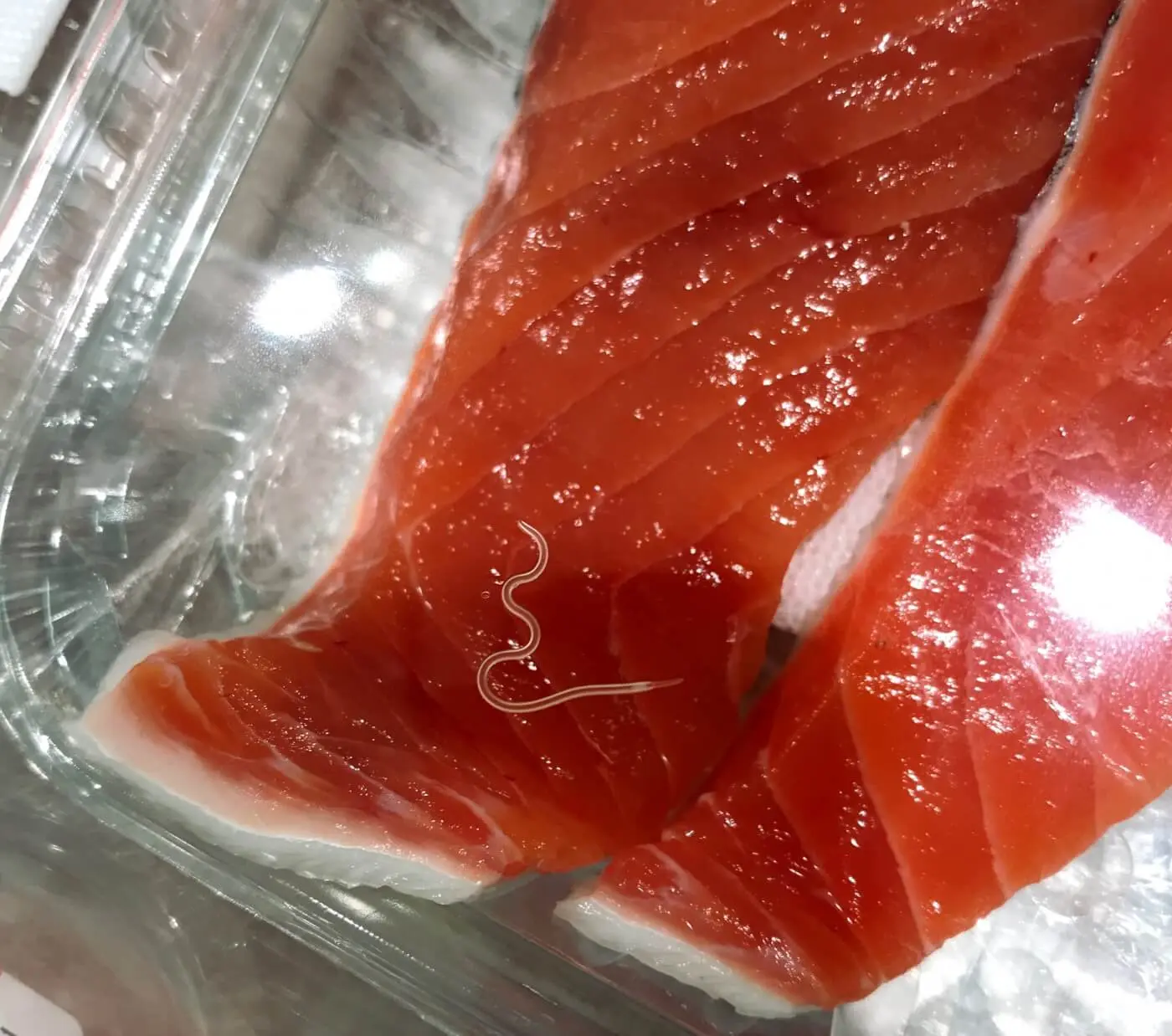
Smoked salmon is a popular delicacy that is enjoyed by many around the world. However, there have been concerns about the presence of parasites in this type of fish. In this article, we will explore whether it is possible to get parasites from smoked salmon and what precautions can be taken to minimize the risk.
Is it Common to Find Parasites in Salmon?
Salmon is a type of fish that is known to occasionally harbor parasites, such as roundworms and tapeworms. These parasites can infect the flesh of the fish and pose a health risk if consumed raw or undercooked. However, the likelihood of finding parasites in commercially available smoked salmon is relatively low.

Commercially produced smoked salmon undergoes a specific curing and smoking process that involves subjecting the fish to high temperatures. These temperatures are typically sufficient to kill any parasites that may be present in the fish. Additionally, most reputable salmon producers freeze the fish prior to smoking, which can further eliminate any potential parasites.
It is important to note that the risk of parasites in salmon is highest when consuming raw or undercooked fish. If you are purchasing smoked salmon from a reputable source and consuming it properly cooked, the chances of encountering parasites are extremely low.
Does Salt Kill Parasites in Salmon?
Salt is commonly used in the curing process of smoked salmon. The high salt content helps to preserve the fish and enhance its flavor. While salt can inhibit the growth of parasites, it does not necessarily kill them.
Parasites, such as roundworms and tapeworms, can be resistant to salt and may still be present in the fish despite the curing process. However, as mentioned earlier, the smoking and cooking processes that smoked salmon undergoes are typically sufficient to kill any parasites that may be present.
It is important to follow proper cooking guidelines when preparing smoked salmon to ensure that any potential parasites are eliminated. Cooking the fish to an internal temperature of 145°F (63°C) or higher will help destroy any parasites that may be present.
Precautions to Minimize the Risk
While the risk of encountering parasites in smoked salmon is low, there are some precautions that can be taken to further minimize the risk:
- Purchase smoked salmon from reputable sources that follow proper food safety practices.
- Ensure that the smoked salmon is properly cooked before consuming it.
- Store smoked salmon at the appropriate temperature to prevent bacterial growth.
- Consume smoked salmon within the recommended timeframe to ensure freshness.
By following these precautions, you can enjoy smoked salmon without worrying about the potential presence of parasites.
Frequently Asked Questions
Q: Can you get parasites from commercially produced smoked salmon?
A: The risk of encountering parasites in commercially produced smoked salmon is extremely low. The curing, smoking, and freezing processes that the fish undergoes are typically sufficient to eliminate any potential parasites.

Q: Does cooking smoked salmon kill parasites?
A: Yes, cooking smoked salmon to an internal temperature of 145°F (63°C) or higher will help destroy any parasites that may be present.
Q: How can I minimize the risk of parasites in smoked salmon?
A: To minimize the risk, purchase smoked salmon from reputable sources, ensure it is properly cooked, store it correctly, and consume it within the recommended timeframe.
If you want to know other articles similar to Can smoked salmon cause parasites? precautions & you can visit the Food safety category.
Related Articles