

Lithuanian smoked meat, also known as skilandis or kindziukas, is a traditional sausage made in Lithuania. It is a matured sausage made from a combination of meat, fat, salt, pepper, and garlic. The ground meat is traditionally pressed into a pig's stomach or bladder, although other skins may be used today. The sausage is then dried and cold-smoked, giving it a distinct flavor and aroma.
What is Lithuanian sausage called?
Lithuanian sausage is commonly referred to as skilandis or kindziukas. Skilandis is the more traditional name for this sausage, while kindziukas is a regional variation. Both names refer to the same type of sausage, made using similar ingredients and preparation methods.
The History of Skilandis
Skilandis has a long history in Lithuania, dating back to at least the 16th century. The term skilandis is mentioned in historical documents from various regions of the Grand Duchy of Lithuania during the 16th to 18th centuries. This indicates that skilandis was a popular and well-known sausage during that time.
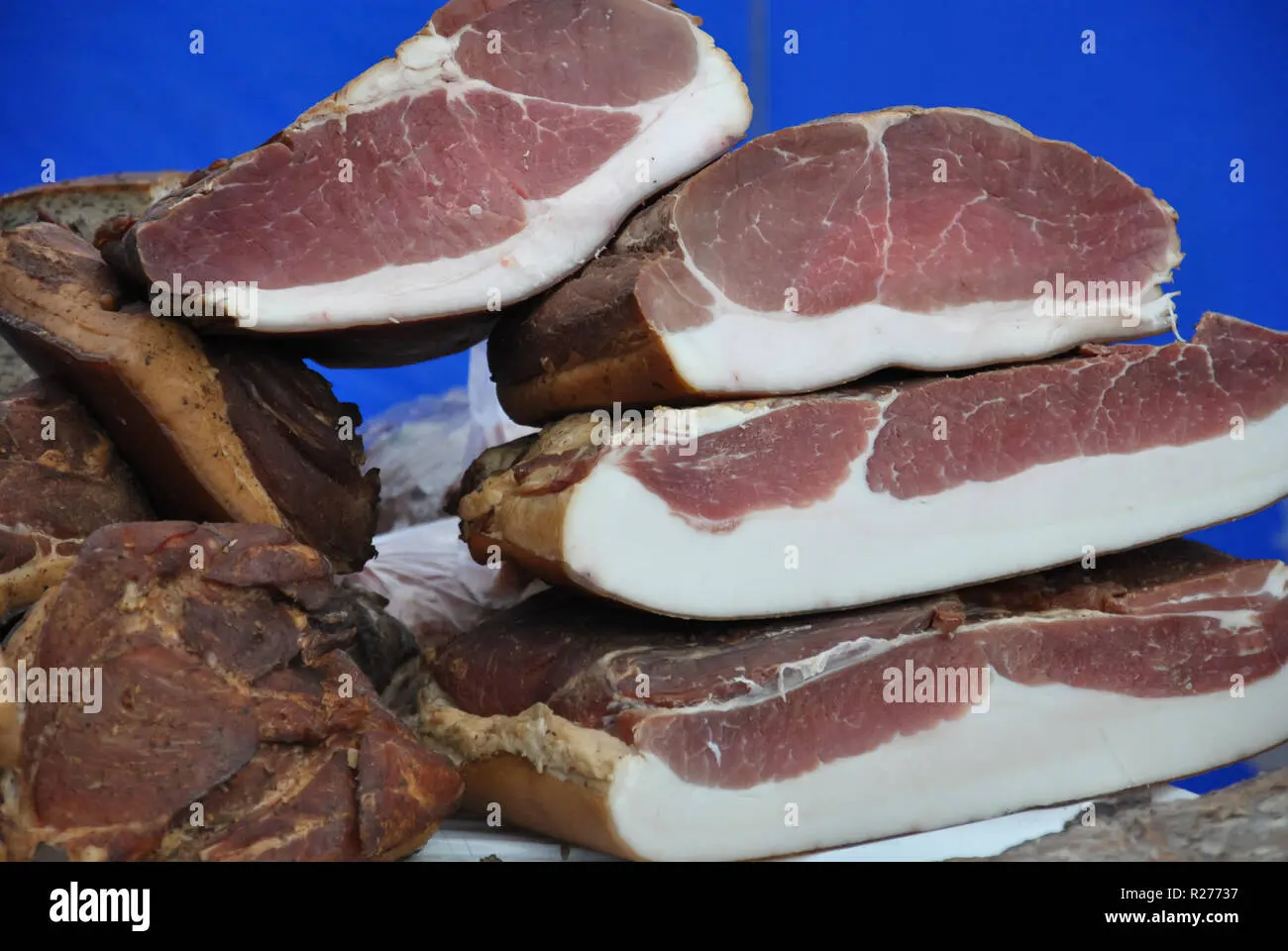
In modern times, the term lietuviškas skilandis has been protected as a Traditional Speciality Guaranteed. This means that only sausages made according to specific traditional methods and using specific ingredients can be labeled as Lietuviškas skilandis. The name change to Lietuviškas skilandis was made following a national opposition procedure.
How is Lithuanian Smoked Meat Made?
Lithuanian smoked meat is made by combining ground meat, fat, salt, pepper, and garlic. The mixture is then pressed into a pig's stomach or bladder, although other skins may be used as well. This traditional method of using natural casings enhances the flavor and texture of the sausage.
Once the sausage is formed, it is dried and cold-smoked. The drying process helps to preserve the sausage and develop its distinctive taste. Cold-smoking involves exposing the sausage to smoke at a lower temperature, which imparts a smoky flavor without fully cooking the meat.
The combination of spices, smoking, and drying results in a flavorful and aromatic sausage with a unique taste. It is often enjoyed sliced and served as an appetizer or as part of a traditional Lithuanian meal.
What are the traditional ingredients used in Lithuanian smoked meat?
The traditional ingredients used in Lithuanian smoked meat include meat, fat, salt, pepper, and garlic. These ingredients are combined to create a flavorful and aromatic sausage.
Can Lithuanian smoked meat be made using other types of casings?
While the traditional method involves using a pig's stomach or bladder as the casing, other types of casings can be used as well. However, using natural casings enhances the flavor and texture of the sausage.
How long does it take to make Lithuanian smoked meat?
The process of making Lithuanian smoked meat can vary, but it typically takes several days to complete. This includes the time for preparation, pressing, drying, and smoking the sausage.
How is Lithuanian smoked meat typically served?
Lithuanian smoked meat is often served sliced and enjoyed as an appetizer. It can also be incorporated into traditional Lithuanian dishes or enjoyed on its own as a main course.
Lithuanian smoked meat, known as skilandis or kindziukas, is a traditional sausage with a long history in Lithuania. Made from a combination of meat, fat, salt, pepper, and garlic, this sausage is pressed into a pig's stomach or bladder and then dried and cold-smoked. The result is a flavorful and aromatic sausage that is enjoyed as an appetizer or as part of a traditional Lithuanian meal. Its unique taste and traditional production methods make Lithuanian smoked meat a beloved culinary tradition in Lithuania.
If you want to know other articles similar to Lithuanian smoked meat: traditional skilandis sausage you can visit the Traditional category.
Related Articles