

There has been a growing concern about the health risks associated with consuming red and processed meat. Smoked meat, in particular, has come under scrutiny due to its high saturated fat content and potential impact on cholesterol levels. A recent study conducted by researchers at the University of Nottingham aimed to investigate whether reducing the consumption of red meat, rather than eliminating it completely, could have a positive effect on health.
The Link Between Smoked Meat and Cholesterol
Red and processed meats, including smoked meat, are known to be high in saturated fatty acids. These fatty acids can lead to an increase in LDL cholesterol, commonly referred to as bad cholesterol. LDL cholesterol tends to accumulate in the walls of blood vessels, potentially causing blockages and increasing the risk of heart disease.
The study found that reducing the consumption of red and processed meat had a significant impact on cholesterol levels. Participants who reduced their intake of red meat experienced a drop in LDL cholesterol levels, with those initially having higher levels seeing the most significant improvement. On average, there was a 10% reduction in LDL cholesterol, with men, who typically had higher initial values, experiencing the most significant change.
The Benefits of Reducing Red Meat Consumption
The findings of this study highlight the potential benefits of reducing red meat consumption, even in relatively young and healthy individuals. By making relatively small changes to the intake of red and processed meat, individuals can significantly reduce their risk of developing heart disease. This is particularly important given that studies have shown a 40% increased risk of dying from heart disease in individuals who consume high amounts of meat.
Moreover, the study also revealed unexpected results, with a decrease in both white and red blood cells in the participants' blood. Meat is a rich source of micronutrients necessary for the production of blood cells. While it is possible to obtain these nutrients from plant-based diets, it is crucial for individuals reducing their meat intake to ensure they include a wide variety of fruits, vegetables, pulses, and whole grains in their diet to maintain adequate nutrient levels.
The Importance of Sustainable Food Choices
Aside from the health benefits, reducing the consumption of red meat is also crucial for food security and sustainability. Livestock production requires a significant amount of natural resources and contributes to greenhouse gas production. As the global population continues to grow, finding more sustainable alternatives to meat becomes essential.
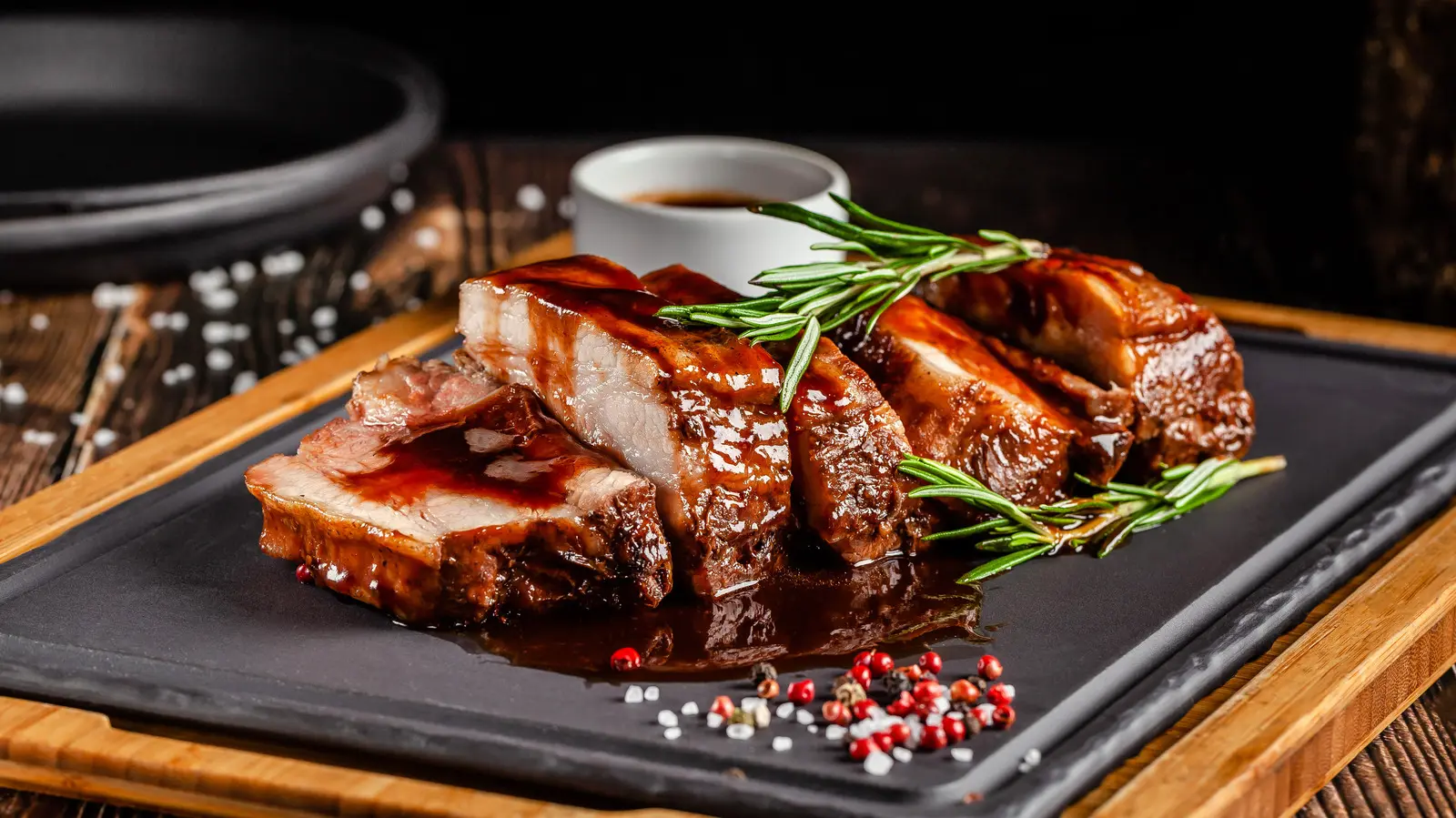
The researchers at the University of Nottingham are part of the Future Food Beacon, a project focused on developing sustainable ways to feed a growing population in a changing climate. Their research aims to identify alternative sources of food that can provide the necessary protein and nutrients without the negative health and environmental effects associated with meat consumption.
Eating smoked meat, along with other types of red and processed meat, can have negative effects on cholesterol levels and increase the risk of heart disease. However, the study conducted by the University of Nottingham suggests that reducing the consumption of red meat, rather than eliminating it completely, can have a positive impact on health. By making small changes to dietary habits, individuals can significantly reduce their LDL cholesterol levels and potentially lower their risk of developing heart disease. Additionally, reducing red meat consumption is not only beneficial for individual health but also plays a crucial role in promoting food security and sustainability. Exploring alternative sources of food that can provide the necessary nutrients without the negative implications of meat production is a priority for researchers in this field.
If you want to know other articles similar to Reducing red meat consumption for heart health & sustainability you can visit the Health category.
Related Articles